
ANIMALS IN TANZANIA AFRICA: UNIQUE TANZANIA WILDLIFE SPECIES -FAUNA
Discover the most beautiful animals in Tanzania, Africa, worth seeing during Tanzania wildlife safaris.
Tanzania boasts the world’s highest animal population density with over 4 million animals, including over 430+ mammals and 1,112 bird species in major natural habitats.
Some of the prominent animals include the Big Five (Elephant, Lion, Leopard, Rhino, Buffalo) and other wild animals like the giraffes, wildebeest, hippos, and cheetahs, among others.
These animals are found in several Tanzania safari destinations such as the Serengeti National Park, Ruaha National Park, Tarangire Park, Ngorongoro Crater, Mount Kilimanjaro (Africa’s highest mountain), etc.
Wildlife enthusiasts can see all the Tanzania wild animals when they partake in various activities such as game drives, wildlife spotting, birding, guided bush walks, etc.
The animals in Tanzania are best seen during the dry seasons when they concentrate at the few watering holes in the Tanzania safari parks and reserves.
Sample Tanzania Tours & Vacations (Popular Tanzania Itineraries & Packages)



















Essential Insights About the Animals in Tanzania
- Tanzania is one of Africa’s top premier wildlife destinations, home to over ~ 450 mammals, ~1,112+ species of birds, ~380+ reptiles, ~230+ amphibians seen during Tanzania wildlife safaris.
- The East African nation Tanzania has several national parks and reserves that have diverse habitats where many animals can be found and seen, and some of the most popular ones include the Serengeti, Ngorongoro Crater, Tarangire, Lake Manyara, and Nyerere (Selous).
- The unique animals of Tanzania can be seen by tourists who partake in several wildlife safari experiences, such as game drives, birding, and guided bush walks, among others.
- Important information related to the animals of Tanzania, including the best time to see them, threats and challenges they face, etc worth knowing by tourists starting to plan Tanzania safaris.
The Big Five
The Big Five are some of the famous animals in Tanzania worth seeing during Tanzania wildlife safaris.
These five emblematic animals were chosen based on the most difficult animals to track on foot in the wild. These include.
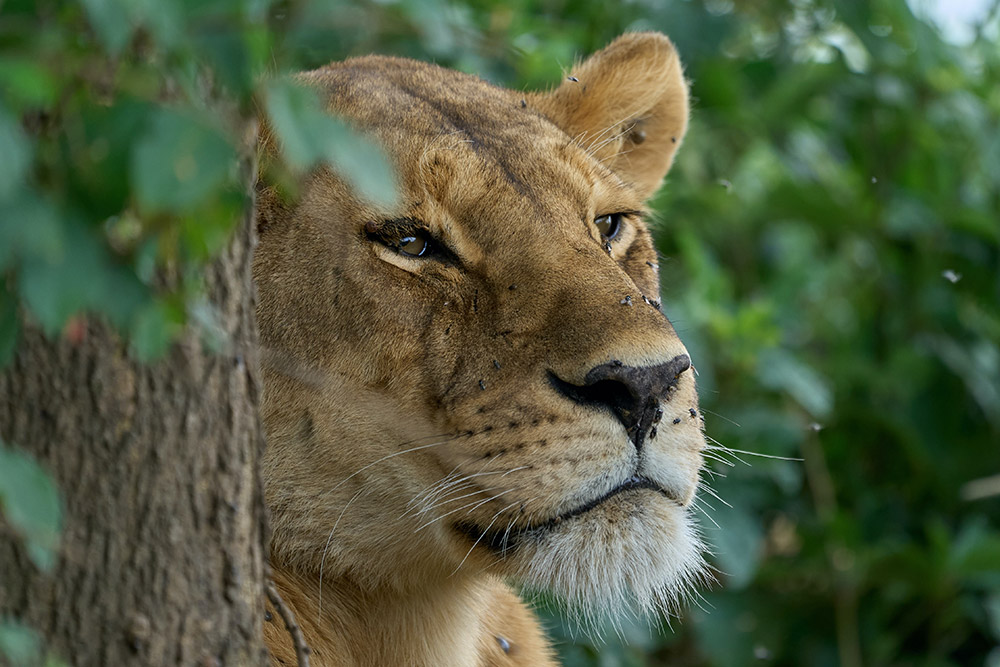
African Lion
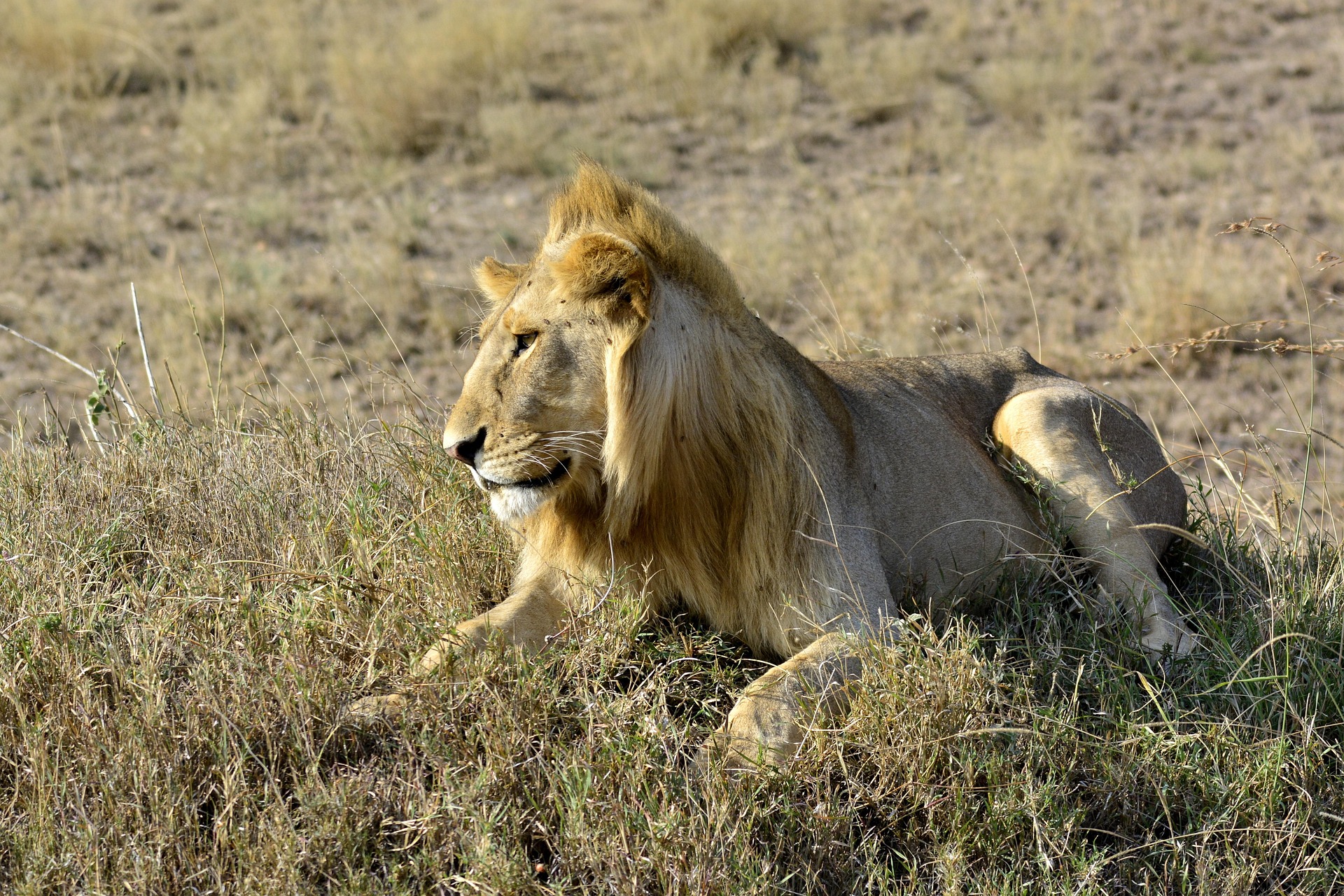
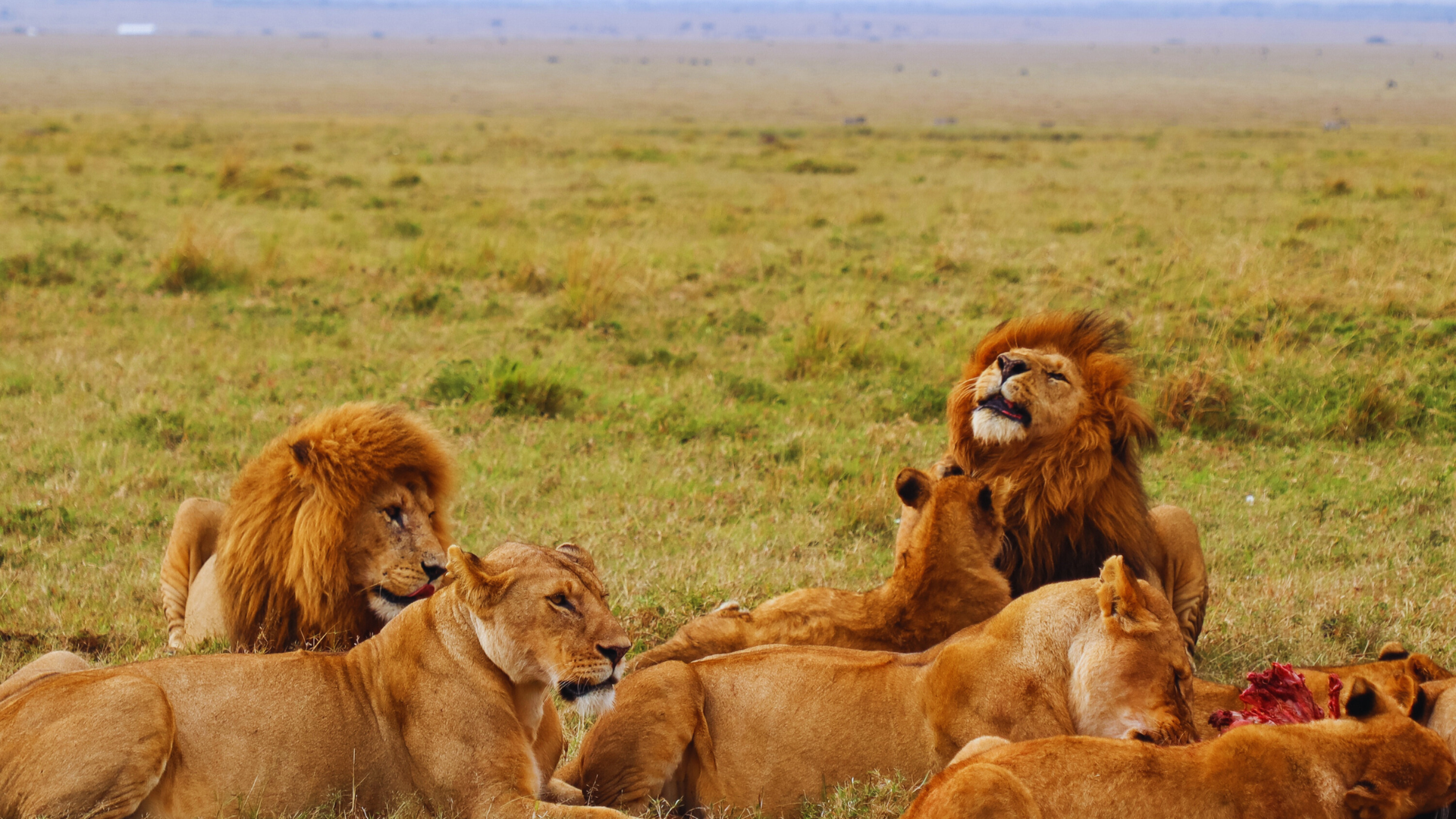
The lion is one of the Big Five animals in Tanzania, one of the dangerous animals, and the second-largest big cat after the tiger.
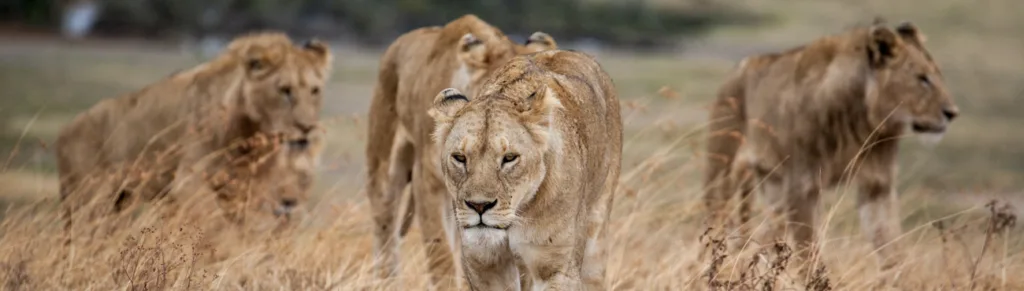
Tanzania has the largest lion population in Africa and in the world, with over 3,000-14,500 lions in total living in prides of over 40 to 60 individuals consisting of related females and their young.
Adult lions can weigh around 500 pounds and have huge manes, unlike the females, and are active at dawn and dusk.
These iconic animals are seen hunting prey in vast open plains in safari parks like
- The Serengeti and Ngorongoro Crater
- Tarangire National Park
- Ruaha National Park
- Nyerere NP, etc.
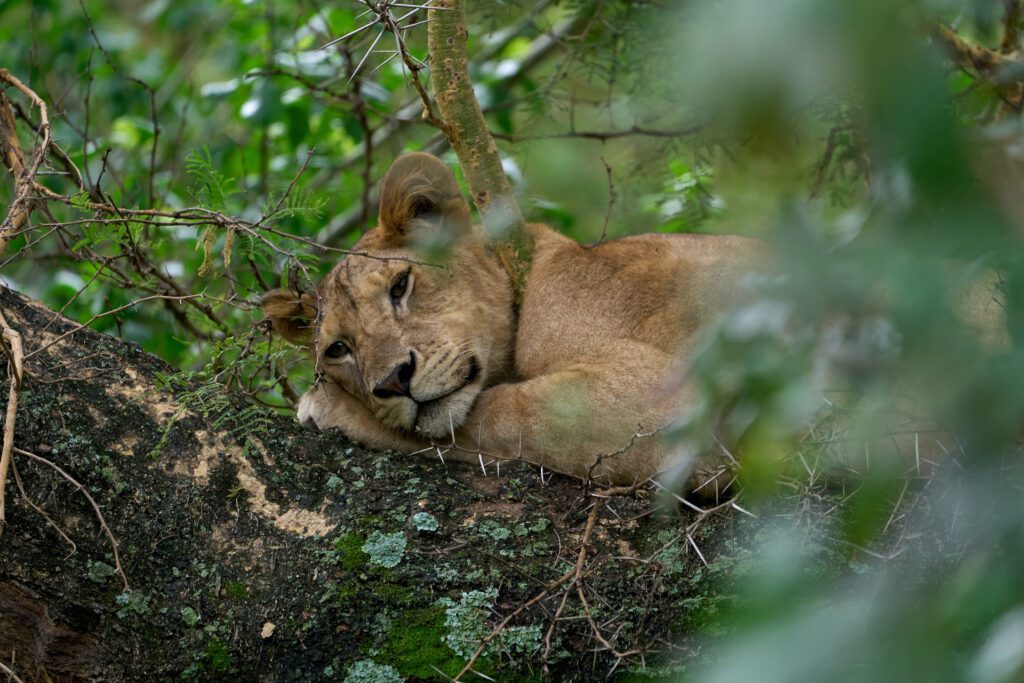
It is worth noting that there are also elusive tree-climbing lions in Lake Manyara National Park, found only in this park and also in Queen Elizabeth National Park in Uganda.
Elusive Leopard
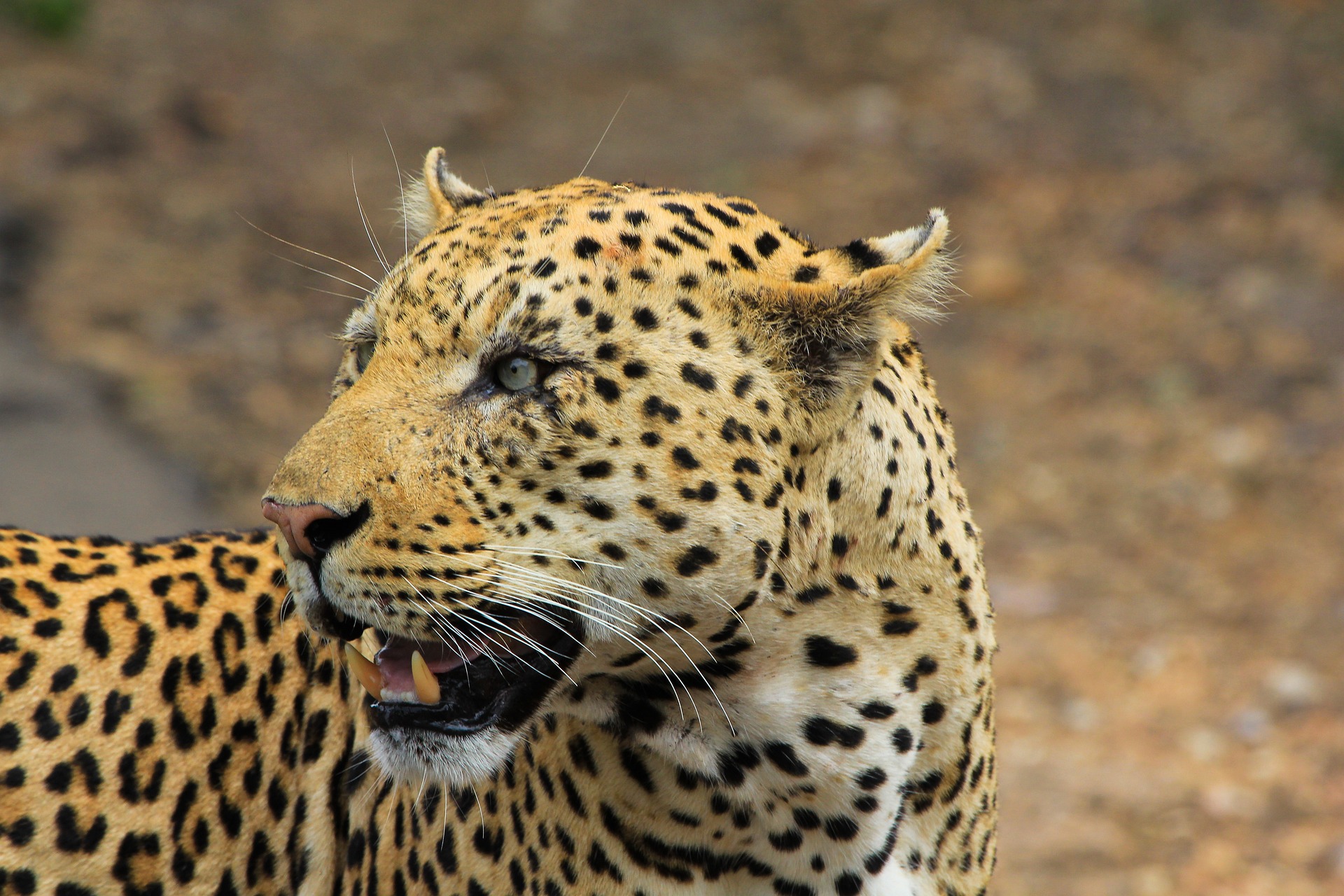
The elusive leopard is one of the Big Five and dangerous animals in Tanzania, often seen during night drives and, if lucky, during day game drives.
These leopards with their distinctive rosette patterns are very solitary and nocturnal in nature, often hiding in acacia trees and dense forests, which makes them hard to see by visitors.
With an average total population of about 2000-40,000 in Tanzania, Leopards are known to weigh about 70-90 kgs, yet they can lift prey heavier than themselves into the trees for feasting away from other predators.
They are often seen in Tanzania’s national parks, like
- Serengeti Ecosystem (Seronera region)
- Tarangire National Park
- NCA
- Katavi National Park
- Nyerere National Park, etc.
African Elephant
The African savannah elephants are another of the Big Five savannah animals in Tanzania, East Africa.
The African elephants are known to be the largest land animals in the world, often weighing ~ 5000-6500 kgs and reaching ~ 3.5m in height, with a lifespan of ~50-70 years in the wild.
With a total population of about 40,000+ African elephants living in Tanzania, they live in matriarchal social structures where the most experienced and oldest females lead the herds to watering holes in the lush landscapes.
African elephants feed on over 200kg of grass, branches, leaves, and tree bark, and are known for being major contributors to the ecosystem as they help with seed dispersal.
The African elephants are mainly concentrated in safari parks and reserves like
- Tarangire National Park
- NCA
- Nyerere NP
- Lake Manyara NP
- Ruaha NP
Endangered Rhino (eg In Ngorongoro Conservation Area)
The world’s most endangered species of animals, the rhinos, are another of the Big Five animals in Tanzania, East Africa worth marvelling at during wildlife safaris.
Due to the need for white and black rhino horns, the rhinos experienced massive poaching in Tanzania, which led to a decline in their numbers.
Today, with the strict protection of conservation organizations and the government, there are around 100-265 rhinos (black and white rhinos) in the few protected areas in Tanzania.
The black rhino has a greyish and brownish colour, and it’s very solitary in nature with a hooked upper lip, while the white rhino is significantly larger than the black rhino.
These endangered rhinos are mainly found in areas of
- Ngorongoro Crater (black rhinos)
- Serengeti National Park
African Buffalo
The African buffalo is another of the Big Five animals in the country, worth seeking during wildlife safaris.
The African buffalo (cape buffalo) is one of the most dangerous animals in Africa because of its massive strength and aggressiveness when threatened.
The cape buffalo are social animals that live in vast herds to protect themselves from predators and are often found near watering holes since they are always in need of daily water.
Numbering around 190,000 in Tanzania, they have big horns with those of the males curving downwards and then up in the form of a shield, and often weigh around 700-800 kgs.
These are commonly seen in huge herds on the plains in Tanzania’s parks in East Africa, such as
- NCA (UNESCO World Heritage Site in northern Tanzania)
- Serengeti NP (UNESCO World Heritage Site in northern Tanzania)
- Ruaha NP
- Nyerere NP
- Lake Manyara NP
- Tarangire NP
The Great Migration Animals (e.g. In Serengeti National Park, etc.)
The great migration animals are those often seen during the great migration in Tanzania in the Serengeti-Mara Ecosystem, as they brave the deadly Mara River in dramatic river crossings seeking water and food across the Serengeti plains. They include.
Wildebeests (A Horned Antelope Species)
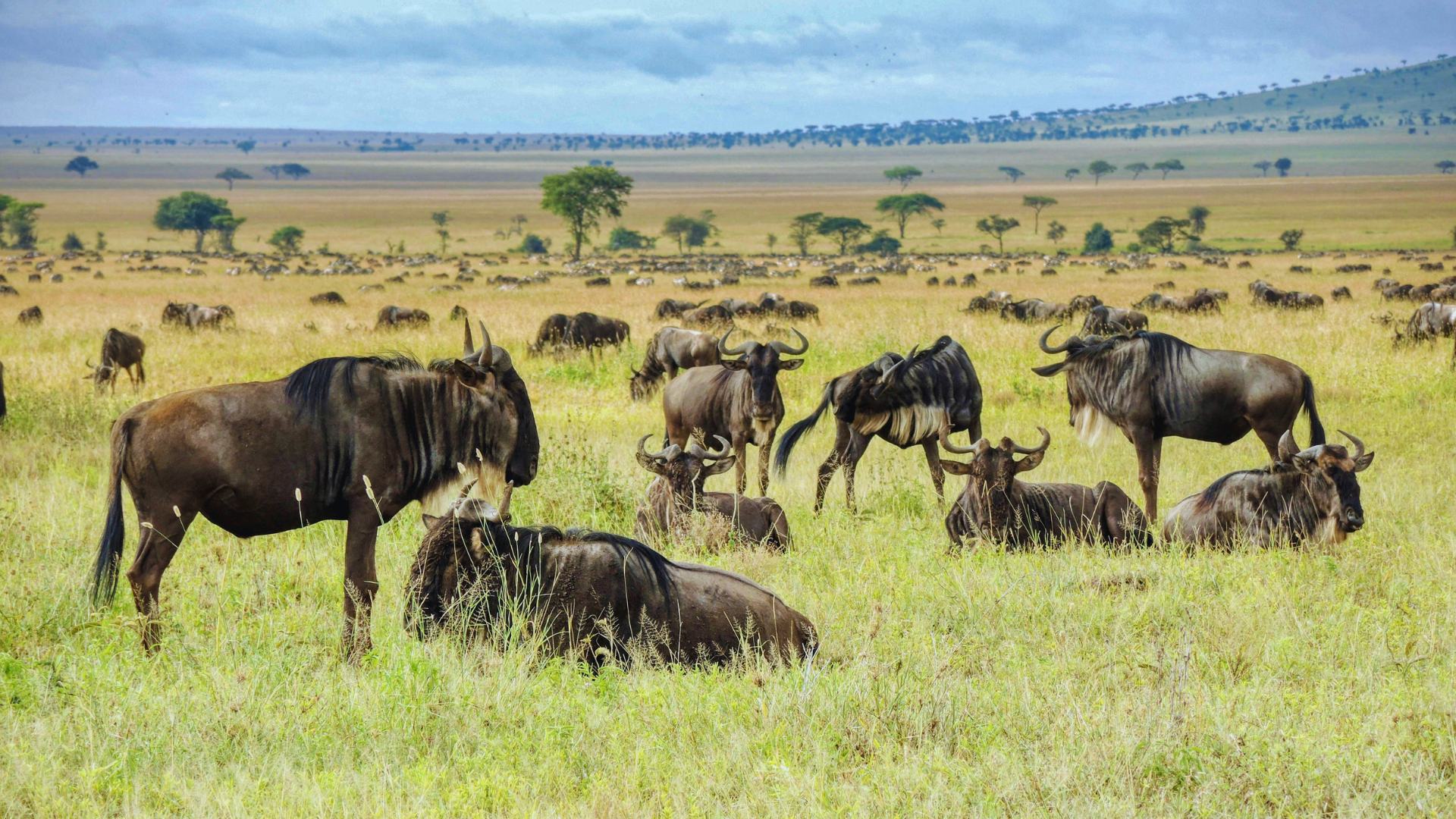
The wildebeests are Tanzania’s most numerous mammals, often seen during the great migration in large numbers, nearing hundreds of thousands.
Over 2 million wildebeests can be seen during the great wildebeest migration in herds or groups of around 500 individuals and serve as major prey for the Tanzanian predators and scavengers.
During the wildebeest annual migration, these wildebeests give birth to over 8000 calves in just a week, which increases the wildebeest numbers drastically during the calving season.
They often feed on short grasses, which is why they keep moving in circular patterns, and their movements and feeding patterns contribute greatly to the ecosystem.
They are often spotted in the safari gems of
- Serengeti National Park (Kotagende region)
- The NCA (Ndutu region)
- Tarangire NP
- Nyerere NP
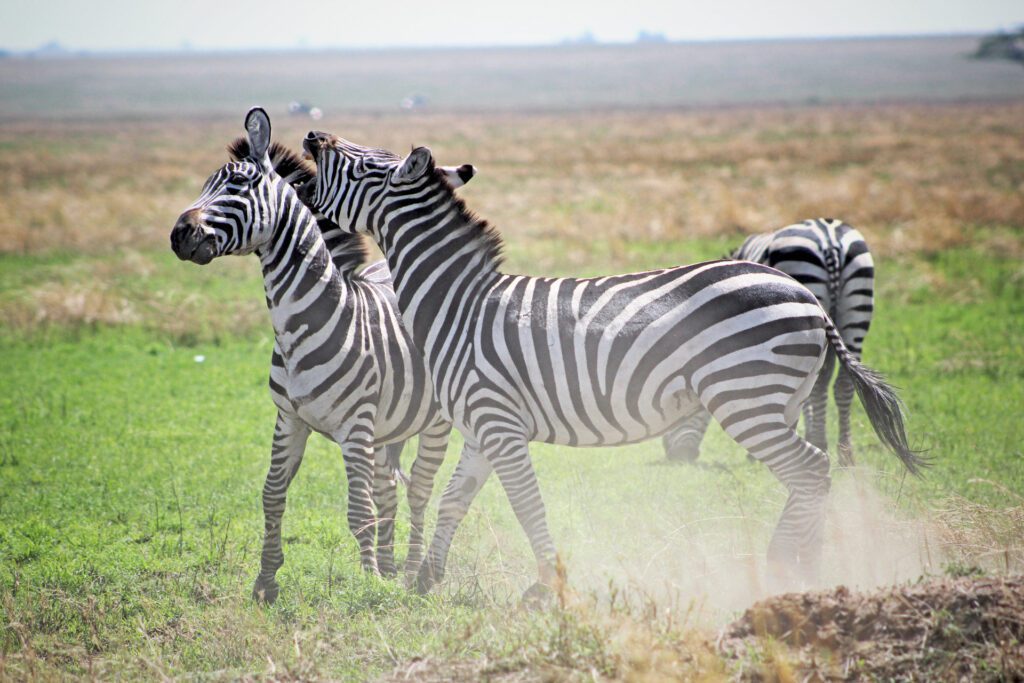
Zebras
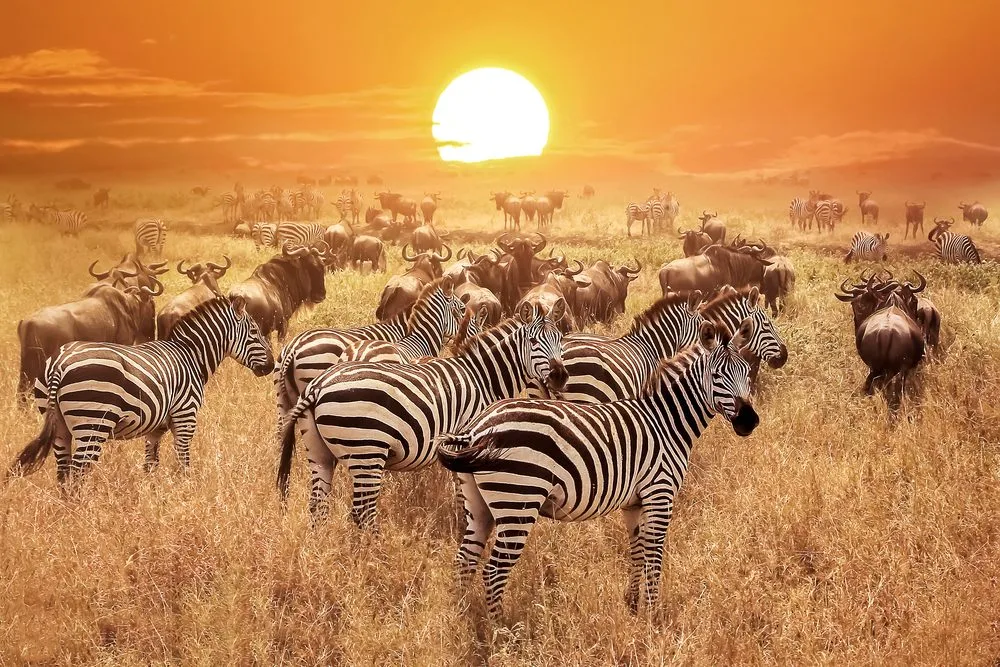
Zebras are another of the Tanzania animals often seen during the annual migration in Tanzania.
They have dazzling and unique black and white stripes, often seen grazing in open plains and leading the great wildebeest migration herds, feeding on longer and tougher grasses to leave the short ones for the wildebeests.
Often numbering over 300,000, Zebras live in small family groups (harems) consisting of stallions, mares, and young foals.
They are common in areas like
- Serengeti National Park
- Ngorongoro Crater
- Tarangire National Park
- Nyerere National Park
Other Antelope Species (e.g., Gazelles)
Besides the blue wildebeests, there are other antelope species (~35 species) often seen during the great migration and in other safari parks of Tanzania. Some of these include
| · The Thomson’s Gazelles | · Grant’s Gazelles |
| · Common Impala | · Common Elands |
| · Topi | · Sable Antelope |
| · Greater And Lesser Kudu | · Oryx (Gemsbok) |
| · Waterbucks | · Kirk’s Dik-Dik |
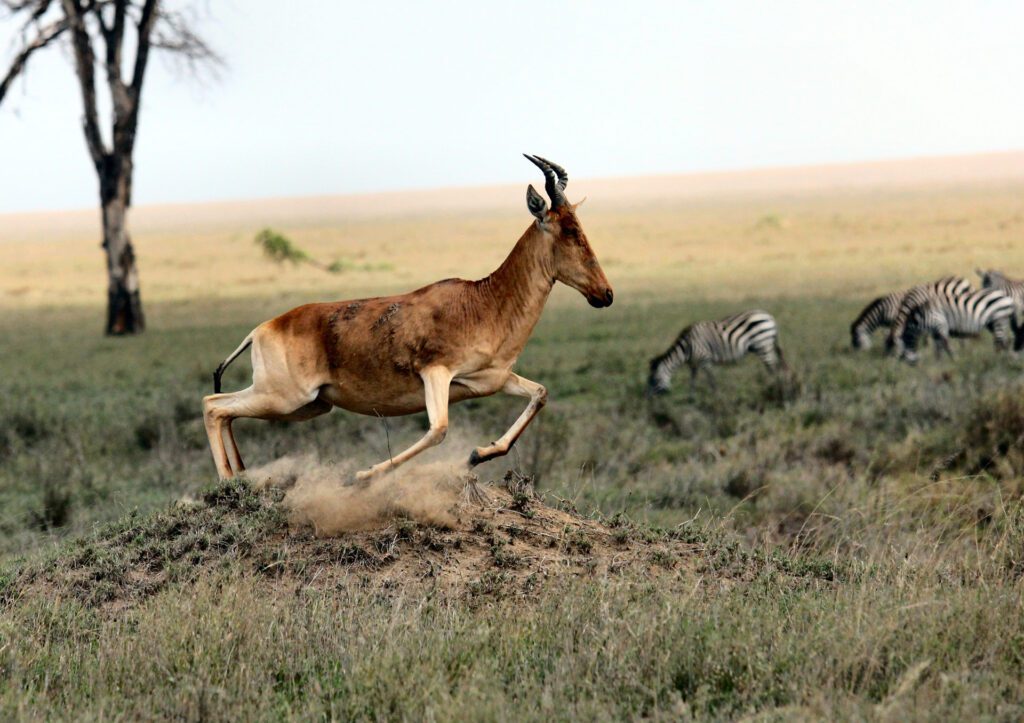
| · Roan Antelope | · Coke’s Hartebeests |
| · Bushbucks | · Klipspringer |
| · Gerenuk | · Sitatunga |
| · Oribi | · Common Duiker |
These antelope species are found mainly in Tanzanian safari parks like
- Serengeti National Park (Northern Serengeti and Southern Serengeti)
- Ngorongoro Crater
- Ruaha National Park
- Nyerere NP
Primates
Primate species are another of the fascinating animals in Tanzania, worth seeing during primate tours. Some of these include.
Endangered Chimpanzees (Found in Gombe Stream and Mahale Mountains National Park)
The endangered chimpanzees are the major primate species found in Tanzania, often seen during chimpanzee trekking safaris.
They are a critically threatened species because most poachers hunt them down for the illegal bush meat trade, their habitats are continuously destroyed by deforestation, and human illnesses also affect them greatly since they share 98% DNA with humans.
Today they number around 300-1,000 and are under strict conservation programmes led by Tawiri, Tanzania’s public wildlife research institute, and the Jane Goodall Foundation.
These are found in
- Gombe Streams National Park
- Mahale Mountains National Park
OTHER PRIMATE SPECIES
- Baboons
- Vervet monkeys
- Blue monkeys
- Colobus monkeys
- Bush babies
- Potos
These are found in safari parks like Serengeti NP, Rubondo Island, Udzungwa Mountains NP, etc.
Marine Life
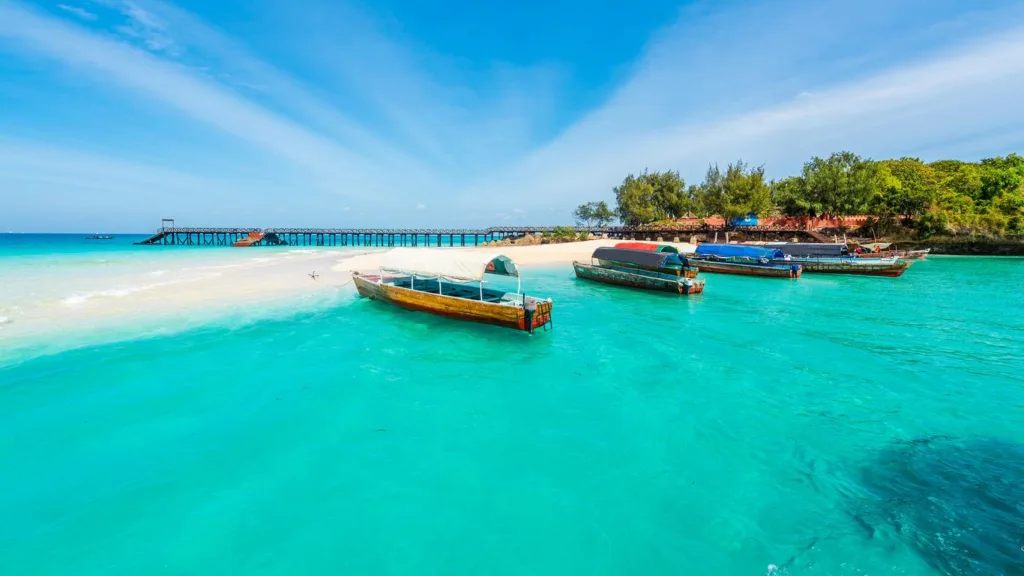
The other fascinating animals in Tanzania are the marine life species found mainly along the Indian Ocean coastline, the Zanzibar archipelago, and in marine parks in Tanzania.
Some of the notable marine species include
- Dolphins (long snouted spinner dolphins and bottlenose dolphins)
- Whale sharks
- Coral reefs
- Black tip reef sharks
- White tip reef sharks
- Manta Rays
- Humpback whales
- Sperm whales
- Tiger sharks
- Dudongs
- Over 1,000 Fish species (Nile Perch, Tilapia, cichlids, etc.)
- Tropical fish (angelfish, butterfly fish, clownfish, sea turtles, sting rays, etc.)
The Tanzania marine species can be seen by travelers who partake in activities like dhow sailing, snorkeling, scuba diving, etc.
These are found in massive numbers in destinations like
- Pemba Island
- Zanzibar
- Mafia Island
- Saadani National Park
- Rubondo Island National Park
- Lake Tanganyika
Bird Life
The birds of paradise are another of the fascinating Tanzania animals worth seeing during birding tours in Tanzania.
Tanzania is home to over 1,112 bird species, including endemic birds, and other rarities such as
- Flamingos
- Endemics (Pemba Green Pigeon, Usambara weaver, Tanganyika masked weaver, Kipengere seedeater, blue swallow, Denham’s Bustard, Njombe Cisticola, Mountain Marsh Widow, Udzungwa Eagle Owl, etc.)
- Ostriches
- Eagles
- Ibises
- Jacanas
- Kingfishers
- Raptors
- Bablers
- Bee-eaters
- Bulbuls
- Canaries
- Francolins
- Crows
- Falcons
- Secretary birds
- Hornbills, etc.
These Tanzanian birds are found in places like
- Lake Natron (breeding site for lesser flamingos)
- Lake Eyasi
- Mikumi NP
- Lake Manyara NP
- Kilimanjaro NP
- Serengeti NP
- Arusha National Park (Trogons and Turacos)
- Lake Victoria, Tanzania
- Ngorongoro Crater
- Eastern Arc Mountains (Udzungwa, Uluguru, Rungwe, etc.)
- Nyerere (Selous Game Reserve)
- Kitulo NP
- Gombe National Park
Other Mammals, Big Cats & Predators in Tanzania’s National Parks
In Tanzania, there are other big cats and predators beyond those of the Big Five, and some of the others include.
Cheetahs
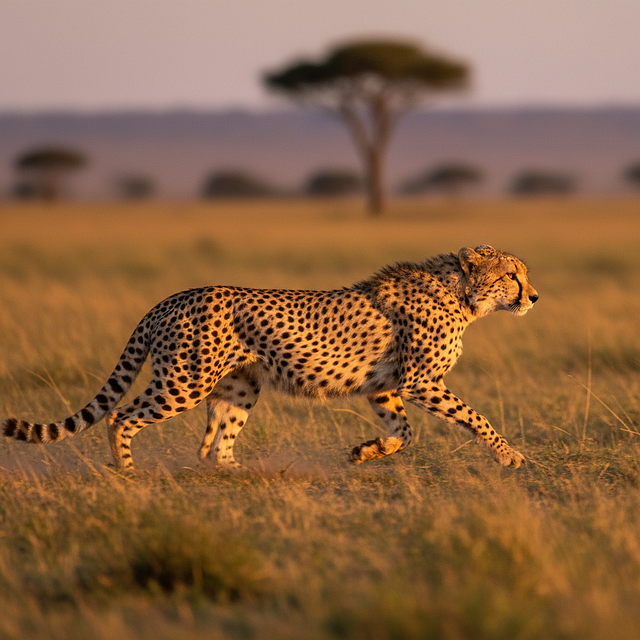
Cheetahs are among the fine animals of Tanzania, popularly known for their fast speeds that average ~100-120 km/hr over short distances of 300-500m.
These animals, considered to be Africa’s most endangered big cats, often weigh about 40-70 kgs and are stern predators that often feed on gazelles (Thomson’s & Grant’s gazelles), zebras, and wildebeests in open plains.
Tanzania has one of the world’s largest populations of chetahs, close to 1,500 to 2,500 in the wild, found in small groups.
They are found in parks like
- Serengeti National Park
- Ngorongoro Crater
- Tarangire NP
- Ruaha NP
Spotted Hyenas
Spotted hyenas are another predatory animal in Tanzania that is the largest of all hyena species in the country.
Averaging around 7,000-8,000 spotted hyenas in Tanzania, they are often seen hunting alone or in groups according to their clans, led by dominant females that are always bigger than the males.
They often hunt large mammals like the zebras and wildebeests or feed on prey remains left by big cats like lions and leopards.
These giggling predators (spotted and striped hyenas) are found in
- Serengeti National Park
- Lake Manyara NP
- Tarangire NP
- Ngorongoro Conservation Area
Endangered African Wild Dogs (e.g. in Ruaha National Park and Nyerere National Park)
The endangered African wild dogs are unique predators, often socially organized in tight-knit social packs of 6-20 individuals, found in Tanzania.
Due to habitat loss and diseases like rabies transmitted from infected stray dogs, Africa’s wild dogs with spotted coats are considered to be endangered in Tanzania, with about 7,000 remaining in the wild.
They are now found only in a few areas of Eastern and Southern Africa, especially in the areas of Tanzania, i.e.
- Mkomazi National Park
- Nyerere (Selous Game Reserve)
- Tarangire NP
- Katavi NP
- Ruaha- Rugwa ecosystem
Giraffes (Tanzania’s National Animal)
Giraffes are a mammal species and one of the keystone species of animals in Tanzania, worth looking at during Tanzania tours.
The Masai giraffe, one of the giraffe species in the country, is Tanzania’s national animal, as well as the tallest land animal on planet earth.
Giraffes (Masai giraffe), especially the males, weigh about 800-1,200 kgs, have a height of 5-6 m, and they all feed on acacia leaves and trees.
The giraffes, averaging about 35,000 in the nation following declining populations due to poaching and habitat loss, are found in most parks in northern and central Tanzania apart from the Ngorongoro Crater. The parks where it is found include
- Serengeti NP
- Ruaha NP
- Nyerere (Selous)
- Tarangire NP
Hippos
Hippos, or the hippopotamus, are a mammal species known to be one of the most dangerous beasts or animals in Africa, and it’s also found in Tanzania.
The hippos are large herbivore animals, often weighing ~1,500-3,500 kgs, and can run speeds of ~30 km/hr in short distances.
Tanzania is home to one of the world’s largest hippo populations, averaging around 200,000 individuals, and they are known for protecting their territories jealously, which makes them very dangerous
They are found in safari gems like
- Serengeti NP
- Ngorongoro Crater wetlands
Reptiles
Reptile species are another of the unique animals found in Tanzania, worth seeing during Tanzania tours. Some of these include.
Nile Crocodiles
Tanzania is popularly known worldwide for having a good number of huge crocodiles often seen basking along riverbanks and waterscapes, and also during the famous Mara River crossings.
The Nile crocodiles are one of the largest freshwater predators, often growing up to 5.5m long and known for feeding on fresh fish species and mammals like wildebeests and zebras that cross rivers or go for a drink around the waterscapes.
These crocodiles can be seen in parks and waterscapes like
- Lake Victoria Tanzania
- Serengeti River systems
Endemic Animals
Tanzania is home to several endemic animal species found nowhere else in the world, and some of these include.
Udzungwa Forest Partridge
The Udzungwa Forest Partridge is one of the native forest bird endemics to the Udzungwa Mountains that attracts most keen birders to Udzungwa Mountains NP in Tanzania’s Eastern Arc.
Uluguru Bushshrike
The Uluguru Bushshrike is another of the endemic bird species in the country, often seen during birding tours in Tanzania. It is endemic to the Uluguru Mountains in Tanzania’s Eastern Arc.
Kihansi Spray Toad
The Kihansi Spray Toad is another endemic animal in Tanzania. It is a popularly known amphibian species found in the Udzungwa Mountains in the Kihansi Gorge Area and is under intense conservation.
Udzungwa Red Colobus
The Udzungwa Red Colobus Monkey is another of the endemic animals in Tanzania. It is only found in the Udzungwa Mountains in the Eastern Arc Mountain ranges.
Sanje Mangabey
Also found in the Udzungwa Mountains, the Sanje Mangabey is another of the endemic animal species in Tanzania, often seen by tourists on primate tracking tours.
Kipungi
The Kipungi is another endemic or native monkey species in Tanzania found mainly in the southern highlands in Mount Rungwe and in some regions of the Udzungwa Mountains.
Pemba Flying Fox
The Pemba flying fox is another indigenous Tanzanian animal found only on Pemba Island (Tanzania). It is a large fruit bat species important enough on this island because of its contribution to the island’s forest ecosystems.
Zanzibar Red Colobus
The Zanzibar Red Colobus monkey is another of the endemic species found in Zanzibar, Tanzania, in the Jozani Chwaka Bay National Park often visited by tourists on Zanzibar tours.
OTHER BEASTS IN THE ANIMAL KINGDOM OF TANZANIA
- Honey Badger
- Rock Hyrax
- Rare Bat-eared Fox
- Striped Hyenas
- Warthogs
- Kongonis
- Giant Tortoises
- Snakes
- Lizards and chameleons
- Caracal
- Bats
- Elusive golden cat
- Serval (rare in North Africa)
Tanzania Wildlife Destinations and Parks with Unique Animals
Wildlife enthusiasts interested in seeing the unique animals in Tanzania are strongly encouraged to book Tanzanian wildlife tours and explore destinations and parks like
- Serengeti National Park
- Ngorongoro Conservation Area
- Tarangire NP
- Nyerere National Park (Selous Game Reserve)
- Zanzibar Archipelago
- Lake Manyara National Park, etc. READ MORE!
Visit any of these Tanzania safari parks and destinations for the best animal sightings!
Tanzania Wildlife Safari Activities | How Best Can I See the Animals in Tanzania?
To see the unique wild animals in Tanzania, tourists need to partake in several activities during a Tanzania wildlife safari, such as
- Great migration viewing
- Chimpanzee trekking
- Bird watching
- Wildlife viewing and day Game drives
- Hot air balloon rides
- Guided nature walks in the tropical and montane forest
- Boat cruises
- Night drives
- Photography
- Cultural experiences
- Snorkeling, etc READ MORE!
Best Time to See Animals in Tanzania During African Safari Tours
Tanzania animals can be seen by tourists all year round, though the most optimal or best time to view them in their natural habitats is during the dry season, which runs from June to October.
The dry seasons are considered best because they provide the best weather conditions for spotting animals, i.e., clear blue skies, drier trails, and sunny weather, which forces most animals to concentrate at watering holes, making game spotting easier in central, western, southern, and northern parks.
The wet season between November to April is also good for spotting animals, as this is when the calving season happens, especially in the southern plains of the Serengeti.
Serious Threats Facing Animal Life in Tanzania
Animal life in Tanzania faces serious threats such as
- Human Wildlife Conflict
- Habitat Loss
- Poaching
- Devastating animal diseases
- Crop raiding
- Illegal bushmeat trade
- Ivory and rhino horn hunting
- Timber harvesting
- Artisanal and industrial mining
- Pollution of the fresh and marine waters
- Infrastructural developments
- Climate change
- Wildlife-livestock disease risks
- Invasive species
- High tourism intensity
Ongoing Animal Conservation Efforts in Tanzania
Intensive conservation efforts in Tanzania is taken seriously by the Tanzanian government, and TANAPA, among other NGOs, and some of the initiatives include.
- Anti-poaching patrols and strategies aimed at strengthening security in animal reserves to combat illegal poaching.
- Protected areas management and reservation balancing eco tourism, habitat restoration, and local community development.
- Human wildlife conflict mitigation techniques, for example, where chilli smoke bricks are used to keep elephants away from the indigenous communities and farmlands
- Supporting community compensation and development initiatives in areas like the Ngorongoro Conservation Area.
- Establishment of Wildlife Management Areas (WMAs) where communities benefit directly from wildlife activities, hence reducing illegal activities.
Average Tanzania Safari Costs to Incur
The average cost of a safari in Tanzania often varies depending on the season, travel style, accommodation, transport, destination, group size, etc.
Therefore, tourists visiting Tanzania can expect to pay at least USD 200-500 per person per day to cater for expenses related to, for example, park entrance fees, meals, transport, accommodation, tipping, etc.
Consult a reputable travel agent for actual pricing!
Getting To Tanzania
Travelers seeking to see the animals in Tanzania can get to the country by flying into Kilimanjaro International Airport or any other airport in the country and then transferring to the specific wildlife safari park of their choosing using road or flight options. READ MORE!
World-Class Tanzania Safari Lodges, Hotels, and Camps to Stay at While on Wildlife Safaris
Tourists on safari in Tanzania, aimed at seeing the beautiful animals in this nation, can stay at several accommodation options in the parks, ranging from budget, midrange, to luxury, with good viewing platforms and terraces where they can spot animals.
Some of the best lodging options include Serengeti Kati Kati Tented Camp, Selous River Camp, Tarangire Safari Lodges, Ngorongoro Crater Lodge, etc. READ MORE!
Packing List for Wildlife Safaris in Tanzania
Tourists on Tanzania safaris aimed at viewing the animal species in this nation are strongly encouraged to wear and pack clothing and essential items like long-sleeved shirts & pants in neutral colors, a camera, insect repellent, binoculars, sunscreen, and comfortable walking shoes, among others. READ MORE!
Best Tanzania Safari Operators Offering Top-Notch Wildlife Safari Packages
Some of the reputable Tanzania safari operators offering the best wildlife safari packages in the different parks for visitors interested in seeing the unique animals in Tanzania include.
- Prime Safaris and Tours Ltd
- Tanzania Safaris and Tours
- Wild Gorilla Safaris
- Africa Safaris Tours
- Kenya safari Tours
- National Parks in Tanzania
Frequently Asked Questions about the Animals in Tanzania
-
What Is the Most Common Animal in Tanzania?
The wildebeests are the most common animals in Tanzania, often seen during the annual wildebeest migration.
-
What Wild Animals Live in Tanzania? |What Kind of Animals Live in Tanzania?
The Big Five, large mammals, primates, and birds, among others, are the wild animals that live in Tanzania.
-
What Are the Big 5 Animals in Tanzania? | What Are the Top 5 Animals In Tanzania?
The Big Five, or top five animals in Tanzania include the lion, buffalo, rhino, leopards and elephant.
-
Which Animal Is Only Found in Tanzania?
The Kipunji is the only animal found in Tanzania.
The wild animals in Tanzania are a very fascinating sight worth looking at during African safaris. If you are interested in marveling at these wild beasts call or email us now and we will plan the best trip for you!