
CULTURES IN TANZANIA - TANZANIA AFRICA CULTURE
Explore The Most Amazing Cultures in Tanzania Africa!!
Discover the different cultures in Tanzania that make this East African nation stand out from other countries on the African continent.
Tanzanian African culture consists of a diverse and vibrant tapestry of culture formed by over 120 ethnic groups with distinctive communal values (ujamaa), a rich blend of Persian, Arab, Indian, and African influences, and respect for elders.
Key elements include respectful, warm greetings; modest dressing; and strong hospitality, especially in coastal areas as witnessed during Tanzanian cultural trips.
Key Takeaways About the Cultures of Tanzania
- Tanzania has a vibrant cultural tapestry with over 120 distinct ethnic communities found in the different regions of the nation, reflecting the national identity.
- Swahili (Kiswahili) is the national and official language of Tanzania that acts as a unifying block for the vast mosaic of ethnic tribes and helps prevent large-scale ethnic conflicts in the nation.
- More information about the different attributes of Tanzania culture, such as cuisine, social etiquette, and visual arts, among others worth understanding as you start planning your Tanzanian cultural trip.
Sample Tanzania Tours & Vacations (Popular Tanzania Itineraries & Packages)


















Chat to an African Safari Expert
Speak to East African tour expert for safari advice and suggestions
Let us give you more detailed information about the cultures of Tanzania!
Ethnic Diversity in Tanzania
Ethnic diversity is one of the major aspects of the culture of Tanzania.
This East African country, Tanzania, has a rich cultural tapestry influenced by Arab, African, Persian, Indian, and European traditions due to its history of trade and interaction.
Major ethnic groups in the country include
Bantu-Speaking People – Farmers
The Bantu-speaking people or ethnic community, is one of the main races in the country, accounting for over 95% of the population. These include the Sukuma, Makonde, Yao, Haya, Nyamwezi, and Chagga people. They are mainly farmers and grow several crops in this East African country.
SUKUMA PEOPLE
The Sukuma are the largest ethnic group in the country with over 15.5% of the population, followed by other races including the Gogo, Haya and Tumbuka.
They are found in the districts of Mwanza and Shinyanga, and they generally perform agriculture and livestock rearing, with harvest festivities including Bugobogobo dances.
CHAGGA PEOPLE
In particular, the Chagga people of the Arusha and Kilimanjaro districts have been distinguished for innovative farming methods on the slopes of Mount Kilimanjaro, the growing of bananas and coffee with enhanced irrigation.
MAKONDE
The Makonde are a famous ethnic race in Tanzania known for their intricate wood carvings that often reveal the social ways and spiritual themes contributing to the artistic identity of Tanzania.
The sindimba, a Makonde traditional music and dance, is very popular in Tanzania.
Nilotic/Nilo-Hamitic Ethnic Group
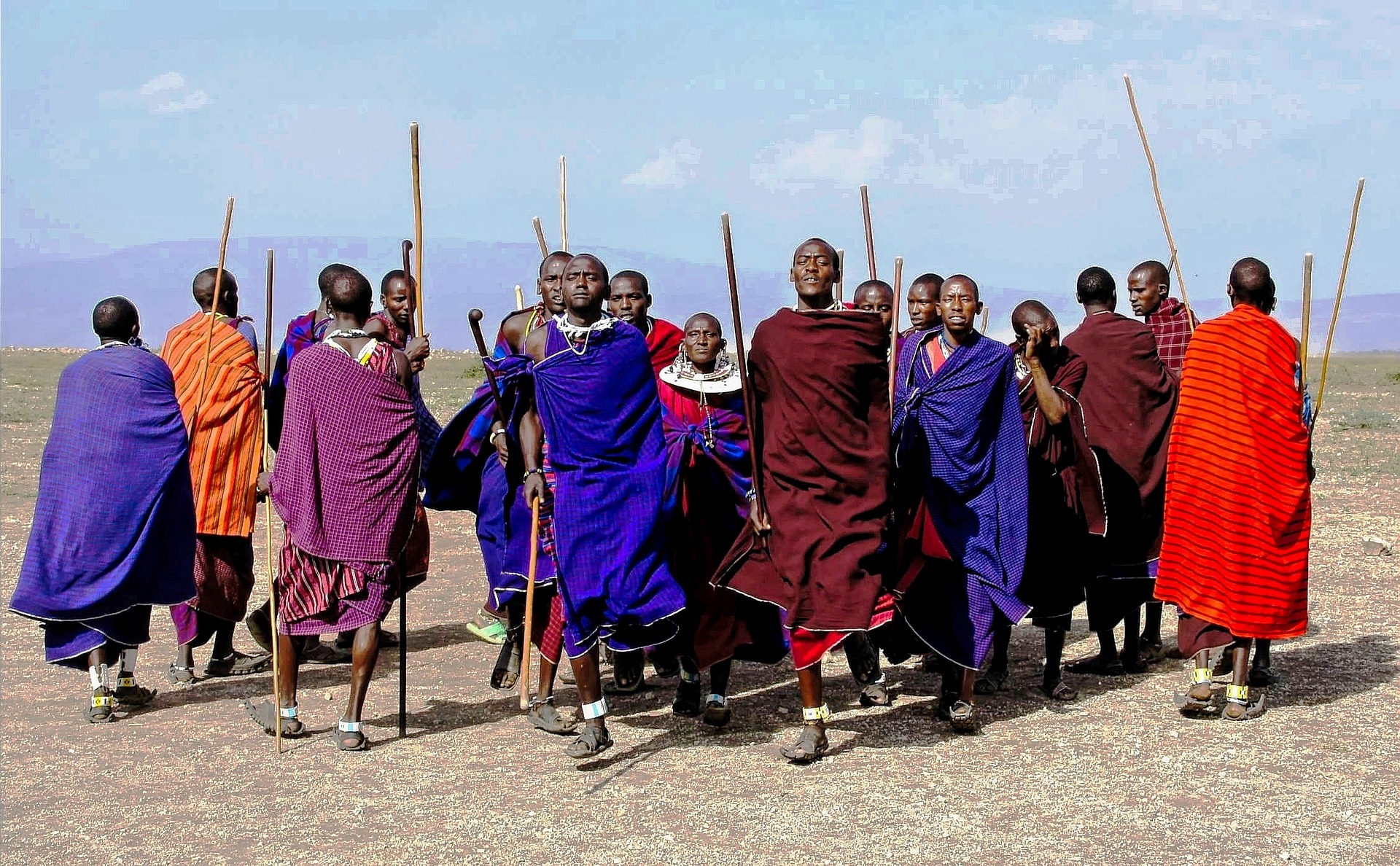
The Nilotic or Nilo-Hamites are another of the prominent ethnic communities in the nation. These include the famous Maasai (pastoralists), Datoga (including the Barabaig), and Luo. They are mainly nomadic pastoralists who firmly and fiercely guard their traditions.
MAASAI PEOPLE IN NORTHERN TANZANIA (SEMI-NOMADIC PASTORALISTS)
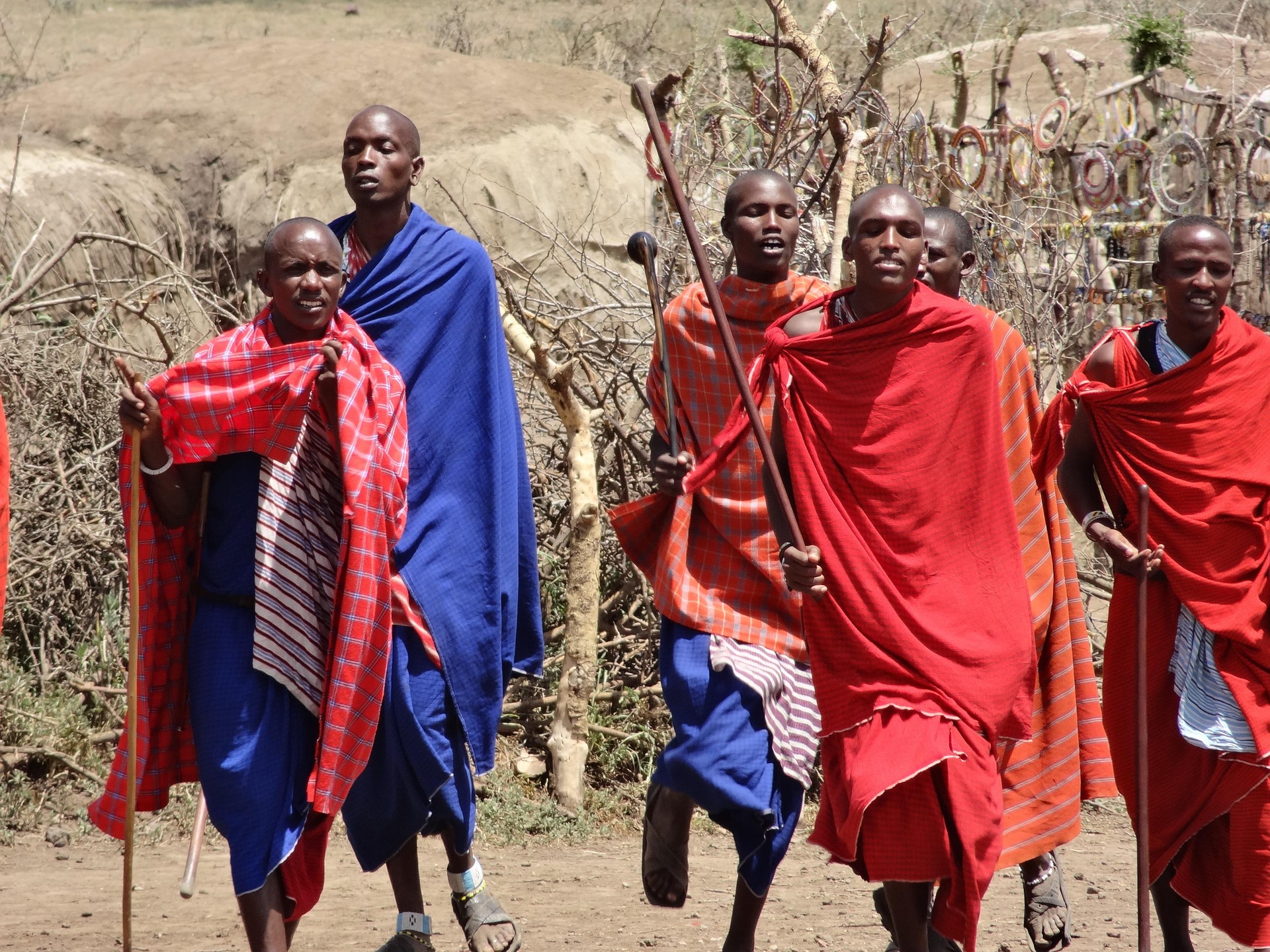
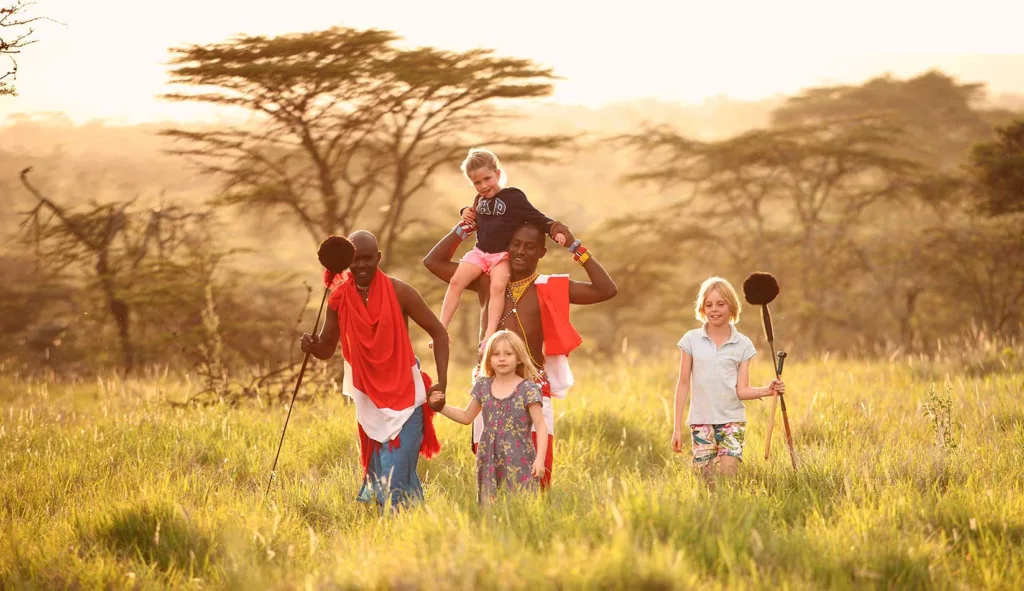
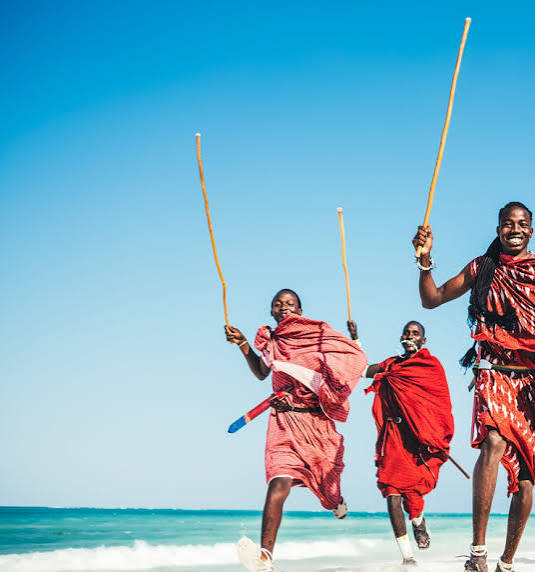
The Maasai people are one of the most recognized ethnic races in Tanzania, known for their semi-nomadic pastoral lifestyle, colorful red shukas, and traditional ceremonies.
The Maasai tribe in the northern parts of Tanzania and also in Kenya, especially in the Serengeti and Ngorongoro Conservation Area, is a major representative of traditional pastoralist life in the nation that coexists with wildlife in this protected area.
The Maasai warriors in this region continue to preserve their traditions despite modernity pressures.
They rear livestock on the Ngorongoro Crater rim, and tourists on cultural tours can see this firsthand when they visit Maasai Bomas, where they even watch them doing the Adumu dances and learn about their culture.
Khoisan (Hunter-Gatherers)
The Khoisan are another ethnic group in the country, and they include the Hadzabe (around Lake Eyasi) and the Akie. They are mainly hunter-gatherers.
HADZA OR HADZABE HUNTER-GATHERERS
The Hadzabe or Hadza people are one of the last true hunter-gatherers in Africa, maintaining ancient lifestyles and a communal way of living.
They live in areas around Lake Eyasi in Northern Tanzania, a few kilometers away from the Ngorongoro Crater, and engage in hunting using traditional hand-crafted bows and arrows and gather wild berries and tubers for meals and have no concept of land ownership.
Visiting the Hadza on a cultural trip in Tanzania offers more insights on how humans relate with the natural world.
Cushitic People
The Cushitic people are another of the ethnic communities in the country. Some of these include the Iraqw.
Swahili Culture
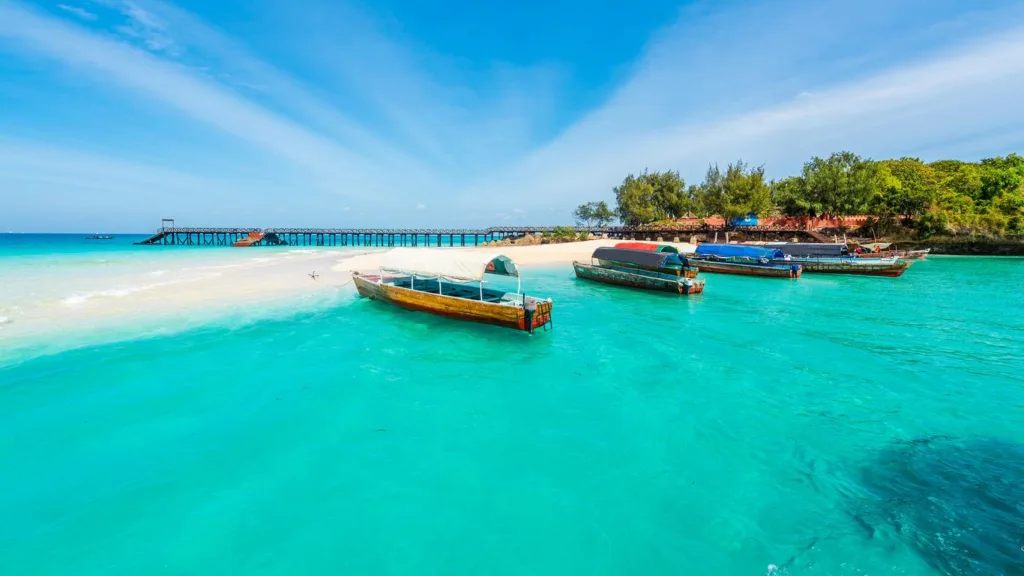
The Swahili culture is that which dominates Zanzibar and the coastal areas of Tanzania.
Along the coast and in Zanzibar, a unique culture prevails, influenced by Persian, Asian, and Indian traders.
It is characterized by the Swahili language, Islamic traditions, artistic styles, and distinctive or unique architecture.
OTHER ETHNIC COMMUNITIES IN TANZANIA
The smallest ethnic race in Tanzania is the Zanaki, who are found near Musoma in the Lake Victoria region.
All these different races maintain different, unique traditions within a unified nation, aided by the shared use of Swahili and a strong national identity with limited ethnic conflicts.
National Language | Official Language in Tanzania
The language in Tanzania is also one of the key aspects of culture in the East African nation.
In Tanzania, over 120 languages are spoken, with most of them coming from the Bantu ethnic race.
The official language is Swahili in Tanzania, widely spoken and used in communication among over 120 tribes and across the entire educational system, and it helps to foster national identity.
Additionally, English (a colonial language) is also considered an official spoken language alongside Kiswahili, and it’s used in education (primary schools, high schools, and universities), business, tourism, and government sectors.
Tanzanian Cuisine
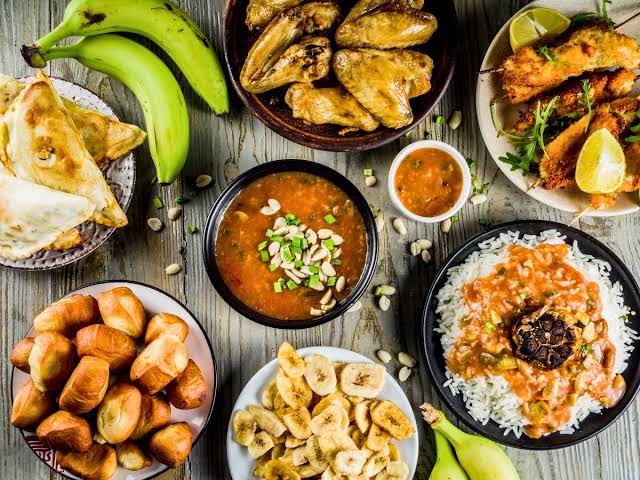
Tanzanian cuisine and food culture are other key attributes of the culture of Tanzania, East Africa, worth experiencing on any cultural trip.
The food and cuisine of Tanzania vary by geographical region and ethnicity, with the coastal regions (Zanzibar archipelago) and people mainly feasting on spicy foods, Zanzibar rice cakes (Mkate wa Kumimina), seafood, pilau (spiced rice), and a significant use of coconut milk, especially in the rice to produce Wali wa nazi.
Relatively, the common mainland people are mainly known for feasting on Ugali (maize porridge), Nyama Choma (grilled meat or roasted meat), Sukuma wiki (collard greens), Makande (maize, beans, and coconut milk), pilau (spiced rice), and various types of fish stew (Samaki), especially tilapia.
Breakfast foods or snacks in Tanzania usually consist of chai (tea) served with Maandazi (fried doughnuts) or chapati (flatbread) in urban areas, while porridge served with chips mayai (an omelette with fries) is common in rural settings even at the coast.
The drinks in Tanzania range from alcoholic to nonalcoholic drinks, such as soft drinks, tea, and coffee (nonalcoholic), as well as beers (Safari, Kilimanjaro, and Castle Lager) and South African and Tanzanian wines, served in most restaurants and lodges.
It is important to know that in Tanzania, communal or shared meals are important to Tanzanian culture and help in unifying the people.
Religion In Tanzania
Religion is another of the key aspects of Tanzanian culture.
In the nation of Tanzania, over 61% of the citizens are Christian (the most practiced faith), 35% are Muslim, especially at the coast, and a small percentage of about 1% follow traditional belief systems.
The different religious sects in Tanzania, East Africa, have several traditions and practices, e.g.
- Christians
These Christians, especially those found in the inland Tanzanian communities, celebrate Christian holidays such as Easter and Christmas every year, which showcases how religious practices integrate seamlessly into the daily lives of the people.
- Muslims
The Muslims found mainly along the coastal areas of Tanzania (Zanzibar) follow Islamic traditions to the T, and these influence their daily lives; for example, they celebrate Eid and Ramadan annually.
- Traditional Beliefs
Tanzanians who still follow the traditional beliefs in many rural communities in the nation still observe significant indigenous religious practices, such as the seasonal celebrations and rites of passage, among many others.
Festivals, Cultural Dance, Sports, and Visual Arts in Tanzania
Another important attribute of Tanzanian culture is the festivals, dances, and visual arts that portray the ethnic tapestry of the nation.
- Arts in Tanzania
Tanzania features a variety of colorful traditional arts and crafts such as Kanga textiles, Tingatinga paintings, ancient rock art, and Makonde wood carvings, which are integral to its cultural identity.
Tanzania is also home to several galleries and art galleries/centers that showcase the visual art scene of the country, such as the Forster Gallery, Studio, etc.
- Tanzanian Cultural Festivals
Tanzanian cultural festivals and celebrations are one of the key aspects related to the culture of Tanzania.
These festivals in Tanzania reflect the country’s cultural diversity and community spirit, with traditional ceremonies among the Maasai people marking important milestones through music, dance, and vibrant dress.
Some of the festivals held in Tanzania include
- Sauti za Busara (One of Africa’s Premier Music Festivals) – It is held in February every year in Zanzibar’s Stone Town, showcasing a variety of African music genres and styles from the traditional araba to contemporary Afrobeats.
- Mwaka Kogwa Festival (Swahili New Year Celebration)—It is held in July every year in Makunduchi, Zanzibar, and often entails traditional songs, ritual mock fights, and communal dining reflecting centuries of cultural practices.
- Asili Festival
- National Holidays in Tanzania
Beyond the cultural festivals and celebrations, Tanzanians also have a culture of commemorating national holidays where they share the same unifying spirit, and some of these include
- Independence Day – 9th December
- Union Day – 26th April
- New Year’s Day – 1st January
- Labour Day – 1st May 26
- Saba Saba – 7th July, etc.
- Dance in Tanzania
Dance in Tanzania is also an important aspect of the cultural life of the people.
The most popular dance in Tanzania is the Ngoma dance, which is often done during festivals and ceremonies by the Maasai, Sukuma, and other tribes and is characterized by vibrant costumes, rhythms, and movements with unique stories.
- Literature in Tanzania
Literature in Tanzania is also an important aspect of the cultural life of the people.
The oral literature, especially in Swahili, written by prominent world-recognized figures such as Shaaban Robert and Abdulrazak Gurnah (Zanzibar), details the cultures and long history of this country that have been preserved for the new generation.
- Tanzania Sports
Tanzanian sports are an important aspect of the cultural life of the people.
People blend and interact through various sports in the nation, which supports communal unity.
Football is one of the most popular sports, with many football clubs, like Simba S.C. existing.
Other sporting activities include netball, basketball, rugby, etc.
Family, Social Structure and Hospitality
Social structure and hospitality are other important attributes of culture of Tanzania, often organized around the concept of brotherhood or extended family (Ujamaa).
- Greetings: Very crucial; timing, eye contact, courtesy, queries about health and family.
- Right Hand: The left hand is considered unclean; hence, the right hand is used for eating, giving, greeting, and receiving gifts.
- Ujamaa: Ujamaa means community and is the feeling of community, cohesion and solidarity. It is a key part of Tanzanian cultural identity, emphasizing communal rather than individualistic principles.
- Modest Dress: Travellers and citizens are expected to dress modestly, especially while travelling to rural settings and religious locations.
Daily Life and Etiquette in Tanzania
The Tanzanians are very community- and hospitality-minded, which enhances their etiquette and daily life.
Social systems are group-oriented, with an emphasis on the extended family, community duty, and strong regard for the elderly.
The etiquette in Tanzania is polite, with greetings considered important and public displays of affection generally discouraged.
Friendly daily conversations, handshakes, modest dressing, and communal dining are some of the other major things emphasized in the daily life and etiquette culture of Tanzania.
Everyday Life Dress Code and Clothing in Tanzania
Everyday Tanzanian life dress code in Tanzania is another of the attributes of Tanzanian culture.
In both the mainland and coastal areas, conservative styles of dressing are strongly encouraged.
Women, especially on the mainland, often wear long skirts and shirts with knees and shoulders covered, especially in public places, religious sites, and homes.
In the coastal areas, most people wear colorful Kangas (women) or Kikois (men) in a modest way.
Modern Life and Indigenous Lifestyles
Modern life and indigenous lifestyles (Urbanization and cultural changes) are another of the key aspect of culture of Tanzania.
Tanzanian cities like Dar es Salaam are cosmopolitan, while other rural regions, especially in northern Tanzania, maintain traditional agrarian or pastoralist lifestyles.
Much as most Tanzanians live in rural settings, surviving on farming and cattle rearing while preserving their unique cultural traditions, some reside in cities and are greatly influenced by city life to change their indigenous ways.
Some of the prominent cultures and regions that are still surviving the modernity pressures include.
Zanzibari Tanzanian Culture
The Zanzibari culture in Stone Town is another of the cultures that have stood the test of time despite urbanization and cultural changes.
As a UNESCO World Heritage Site, Stone Town, known for its Arab, Persian, Indian, Swahili, and European influences that have been in existence for centuries since trade began, has maintained a unique Zanzibari Culture.
This culture revolves around Muslim traditions with ancient mosques still existing, and other customs.
You can witness the Zanzibari culture as you walk through the narrow alleyways, bustling spice markets, and historical places with carved wooden doors.
Dar Es Salaam (Cultural Heart of Tanzania)
Dar es Salaam, located along the Indian Ocean coastline, is known as the cultural heart of Tanzania.
Dar es Salaam is where modernity meets tradition and most tribal influences converge (120+), creating a cultural heart not found anywhere else on the African continent.
Kiswahili, English, and Arabic are some of the major languages used in this city for easy communication among all the ethnic tribes in Dar es Salaam.
This city in Tanzania has many historical and cultural landmarks, such as the State House, Akari Monument (honoring World War I African soldiers), craft markets, open-air restaurants, etc., making it a perfect spot for cultural tours.
Music Industry in Tanzania -Patriotic and National Songs (E.G. The National Anthem)
The music sector or industry is also a big part of what forms culture of Tanzania.
There are five music genres in Tanzania recognized by BASATA i.e.
- Ngoma (Bantu word meaning dance and drum) – Most widespread traditional dance music in Tanzania
- Dansi—Urban jazz and band music
- Kwaya—Church music sung in churches
- Taarab—A Swahili cultural type of music
- Bongo Flava—Tanzanian pop music blending hip hop, RnB, reggae, Taarab, and Dansi originating from the early 2000s.
It is important to note that in Tanzania, Singeli is one of the newest mainstream genres since 2020; you may listen to or hear it in most Dar es Salaam neighborhoods.
Some of the popular Tanzanian musicians in East Africa include Dionys Mbilinyi, Sabinus Komba, and many others.
The National Anthem
The Tanzanian national anthem (Mungu ibariki Afrika) is one of the major nationalistic and patriotic songs in the music industry.
The national anthem of Tanzania (meaning ‘God bless Africa’) was composed in 1897 by a South African composer, Enoch Sontonga, originally as the ANC’s song and later made national.
Answers To Commonly Asked Questions About Tanzania Culture
-
What Is the Main Culture of Tanzania?
The ethnic diversity is the heart of Tanzania’s culture. Tanzania has strong communal ties, respect for elders, and a mix of traditional Arab, African, and Indian traditions, with over 120 nationalities living there.
- Can A Woman Wear Shorts in Tanzania?
Yes, there are a number of places in Tanzania where girls can wear shorts, for example, hotels, coastal resorts, and safari vehicles, but not in religious places or rural areas.
- What Are 5 Examples of Cultural Traditions in Tanzania?
The 5 examples of cultural traditions in Tanzania
- Communal eating is common in Tanzania, and it represents unity, resilience, and hospitality as staple foods like Ugali and Nyama choma are shared on large communal platters.
- Social etiquette in Tanzania emphasizes that the right hand is used for greeting, eating, gifting, and also as a sign of respect, especially to elders.
- The Maasai people are known for their traditional semi-nomadic pastoralist lifestyle despite continuous modernization.
- Mwaka Kogwa, which marks the Persian or Shirazi New Year, is characterized by mock fights, traditional songs and dances, and big communal feasts which foster community unity.
- The traditional Ngoma dances and drums are used in most ceremonies and celebrations, such as during rites of passage.
- What Are the Cultures of Tanzania?
The different aspects of culture of Tanzania are closely tied to
- Ethnic diversity
- Religion
- Food
- Social values
- Arts and music, etc.
- Do And Don’ts in Tanzania?
Some of the dos and don’ts in Tanzania include
| Dos | Don’ts |
|---|---|
| The right hand is what is used for greeting, passing things, or eating. | Avoid using the left hand when eating, greeting, or receiving gifts. |
| Dress modestly, keeping knees and shoulders covered in public spaces | Avoid short dresses, shorts, especially in rural areas |
| Seek permission before taking pictures of people | Don’t take pictures of government buildings, police officers, bridges, or military personnel |
| Respect religious customs and local culture. | Don’t drink, smoke, or eat in public during the holy month of Ramadan. |
| Take time when greeting people; it is a sign of respect | Avoid public displays of affection, especially among same sex couples, as it is a taboo |
- Is Tanzania a Rich or Poor Country?
Tanzania is an African lower-middle income country with natural wealth and a fair amount of poverty. It is a fast expanding economy.
- What Are the Characteristics of Tanzanian People?
Tanzanian people are polite, pleasant and hospitable with strong communal values, respect, civility and cultural manifestations.
Cultural trips can also be combined with visits to safari parks in Tanzania.
For more information about culture of Tanzania, contact our team of experts today and they will respond quickly to your queries.