
TANZANIA WALKING SAFARIS & TOURS- UNFORGETTABLE GAME WALKING SAFARIS IN TANZANIA

Enjoy the sights and sounds of the African wilderness by partaking in our Tanzania walking safaris & tours in some of the best locations in Eastern Africa.
Tanzania walking tours are safari experiences that involve walking on foot in open plains and vast grasslands to track animal footprints, watch unique flora and fauna, and see dramatic landscapes like the rolling hills firsthand.
Tanzania offers several types of walking safaris depending on duration and location, such as short walks, multi-day hikes, cultural walks, wildlife game walks, etc., in different vibrant and remote areas in the country.
This sensory experience that involves touching, smelling, and seeing the natural beauty and cultures of the Tanzanian people is done in prime locations like Serengeti, Ruaha, Nyerere, Kilimanjaro, Ngorongoro Crater, Lake Manyara, and Tarangire National Parks, among other areas.
Tanzania’s walking safaris are led by professional guides and armed rangers who protect tourists from the large predators often lurking in the savanna grasslands and can also read animal behaviors.
These real magic excursions are best done during the dry seasons for easy wildlife spotting and combination with other activities such as great migration viewing, game drives, etc.
Key Takeaways About the Game Walking Safaris in Tanzania
- Game walking tours in Tanzania are one of the best experiences done in the country, which offer tourists a different perspective of seeing the natural beauty on foot.
- The best walking safari locations in Tanzania include the Serengeti National Park, Ngorongoro Conservation Area, Tarangire National Park, and Nyerere Park, each offering unique landscapes and wildlife experiences.
- Some of the unique things to see on the game walking excursions done on ground level include the wild animal tracks, flora, landscapes, and different cultures.
- Walking safaris with the native tribes such as the Maasai, Datoga and Hadzabe offer a unique insight into their cultures and traditional lifestyles, adding dimension to the safari experience beyond the wildlife.
- When you are thinking about starting to arrange your Tanzania game walking safari excursions, there are many aspects that are worth considering, such as the best time to engage and see animals, locations to stay, access, etc
Sample Tanzania Tours & Vacations (Popular Tanzania Itineraries & Packages)
















Here is your entire guide to all you need to know about the unique game walking tours in Tanzania!
What Is a Walking Safari in Tanzania?
A walking safari in Tanzania is a safari activity that takes you into the African bush where you may enjoy the wildlife by tracking it, listening to the calls of birds, and experiencing the natural surroundings on foot.
Walking safaris offer guides the opportunity to give thorough analysis of nature, frequently incorporating botany and wildlife tracking, to provide a better ecological understanding.
These sensory-rich experiences, focused on safety and intimate education about the flora, fauna, and ecology, are normally low impact and are done in the morning, late afternoon, or night expeditions for the best wildlife watching.
Types Of Tanzania Walking Safaris
There are several sorts of walking safaris offered to tourists visiting Tanzania, according to the duration or the purpose, for example
SHORT WALKING SAFARIS
Short walking safaris are game-walking excursions that often begin at dawn or late afternoon and last for a single day (2 to 4 hours), utilizing the lower temperatures and active animals in Tanzania.
Most short walking tours are 3-5 km long and are suitable for people with average fitness levels.
MULTI-DAY EXPEDITIONS
Multi-day expeditions are a type of walking safari that involves walking on foot for several days, led by an expert guide tracking animals in remote areas of parks like the Serengeti National Park.
Adventurous travelers on multi-day walking expeditions also involve staying in mobile camps that are moved daily to new locations depending on where the walking expedition will take place, following animal tracks, sleeping under the stars, and eating freshly cooked meals.
WILDLIFE WALKING SAFARIS
The wildlife walking safaris are a type of walking excursion that is often done by tourists seeking to see wildlife on foot rather than in 4×4 safari vehicles on game drives.
These allow tourists on long or short walks to track animals on foot with an armed ranger, learning about the animal behaviors, observing flora, and getting close to large mammals safely, such as the elephants.
These are mainly done in Nyerere NP, some remote areas of the Serengeti NP, Ruaha NP, etc., for an off-the-beaten-path experience.
CULTURAL WALKING SAFARIS
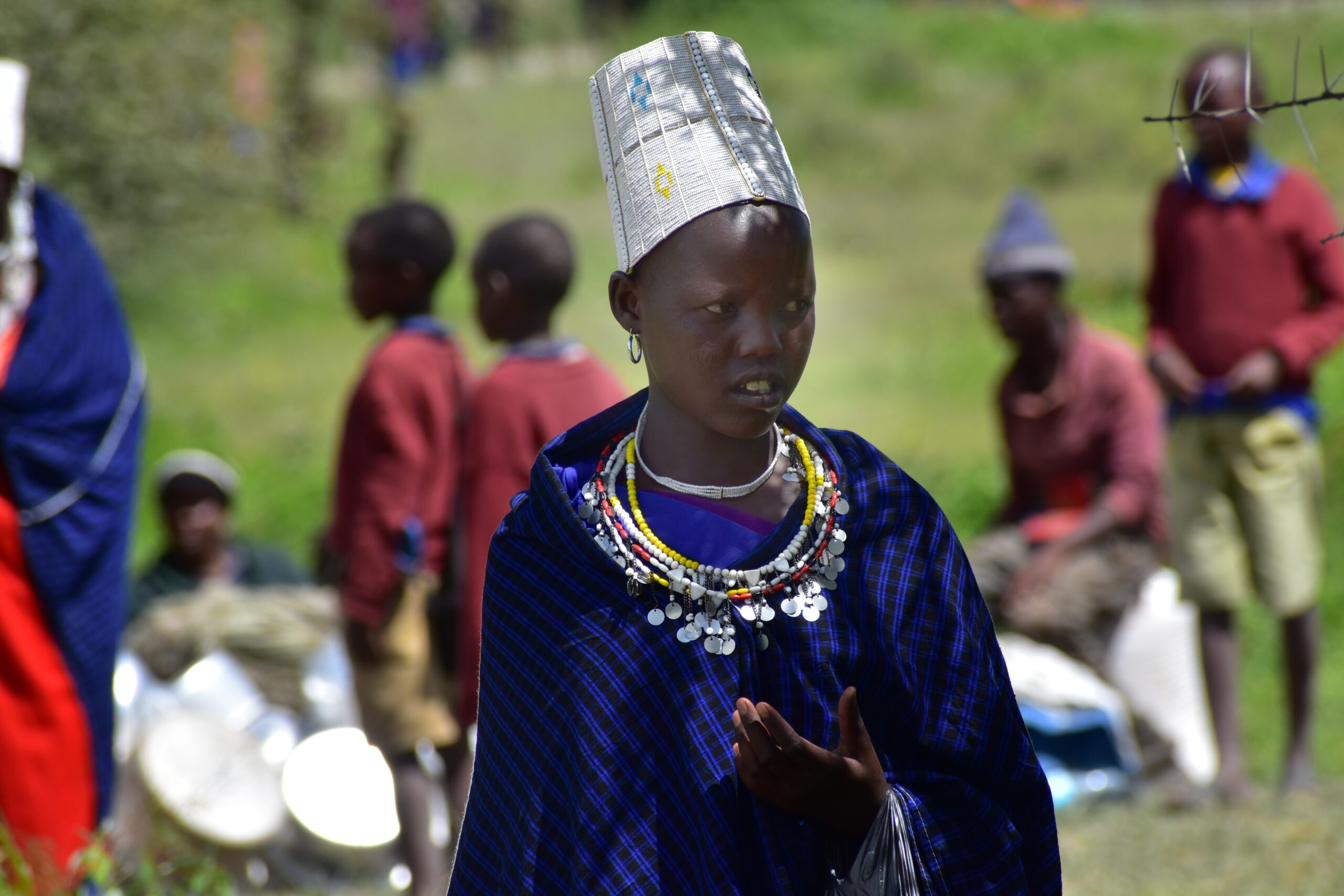
The cultural walking safaris are a type of game-walking excursion in Tanzania that often involves interactions with indigenous tribes, allowing travelers to learn about traditional hunting and gathering practices, particularly with the Hadzabe, one of the last hunter-gatherer tribes in Africa, the Datoga blacksmiths, and the Maasai, semi-nomadic pastoralists.
They are often done in top locations like Mto wa Mbu, the Ngorongoro Highlands, and Materuni village, among other areas.
The Maasai people are famous for their rich cultural heritage, and they share their extensive knowledge of the land, including tracking skills and medicinal plants, during cultural walking safaris.
HISTORICAL WALKING TOURS
The historical walking tours are another type of walking excursion that takes one back in time through Tanzania’s historical sites, ancient port cities, and historic points.
These short or longer walks are normally done in major locations like Bagamoyo and Zanzibar’s Stone Town.
Travelers who choose this historical walking expedition often engage in walking through narrow alleyways, exploring UNESCO World Heritage sites, and touring historical structures like the former slave markets and Old Fort.
MOUNTAIN HIKES AND TREKS
The mountain hikes & treks are a category of walking tours that involve exploring the best mountains in the country on short- or multi-day excursions.
They are often done in locations like Mount Meru, Ol Doinyo Lengai, and Mt. Kilimanjaro (Africa’s highest peak at 5,895m above sea level).
These longer walks involve walking across multiple climbing routes, acclimatization, rainfall visits, camping in mountain huts, etc.
CITY WALKING SAFARIS
The city walking safaris are another category of walking often done by travelers on Tanzanian safaris.
They involve traversing vibrant cities in Tanzania on foot with a local guide in locations like Arusha, Dar es Salaam, Moshi, etc.
Tourists get to experience the colonial and Swahili architecture, check out local marketplaces such as the Kariakoo Market in Dar es Salaam, enjoy street food, etc.
World-Class Tanzania Safari Destinations and National Parks for Walking Safaris
In Tanzania, walking is generally done in the Northern and Southern circuits, both of which provide different settings.
Ruaha National Park is one of the Southern Circuit parks with wide open spaces and few tourists. Nyerere National Park is famous for fly camping.
The Northern Circuit parks are some of the best walking experiences and include Serengeti NP, Tarangire National Park, Arusha National Park and the Ngorongoro Crater.
Below is detailed information about some of Tanzania’s national parks and destinations where guided walking safaris are done.
Ngorongoro Conservation Area (NCA)
The Ngorongoro Conservation Area is a UNESCO World Heritage Site and has some of the best game walking safaris in Tanzania.
Walking safaris in the Ngorongoro Highlands, Olmoti, and the Empakaai Crater rim in the NCA offer spectacular views and allow hikers to wander through lush forests and wide grasslands while viewing wildlife and having cultural contact with the Maasai people.
These guided bush walks or crater rim walks in the Ngorongoro Crater led by the Maasai guides often last longer, with options to continue to the Serengeti or Lake Natron areas.
Arusha National Park
Arusha National Park is one of the major locations where game walking tours in Tanzania take place.
This Tanzanian national park, famously known for its lack of predators in Arusha town, offers ideal short walks lasting between 1 and 4 hours, guided by armed rangers, enabling travelers to traverse past cascading waterfalls and Momella lakes to spot wild animals like colobus monkeys, several flamingos, giraffes, etc., and also explore Mount Meru.
Lake Manyara National Park
Lake Manyara National Park is one of the major locations where game walking safaris in Tanzania take place.
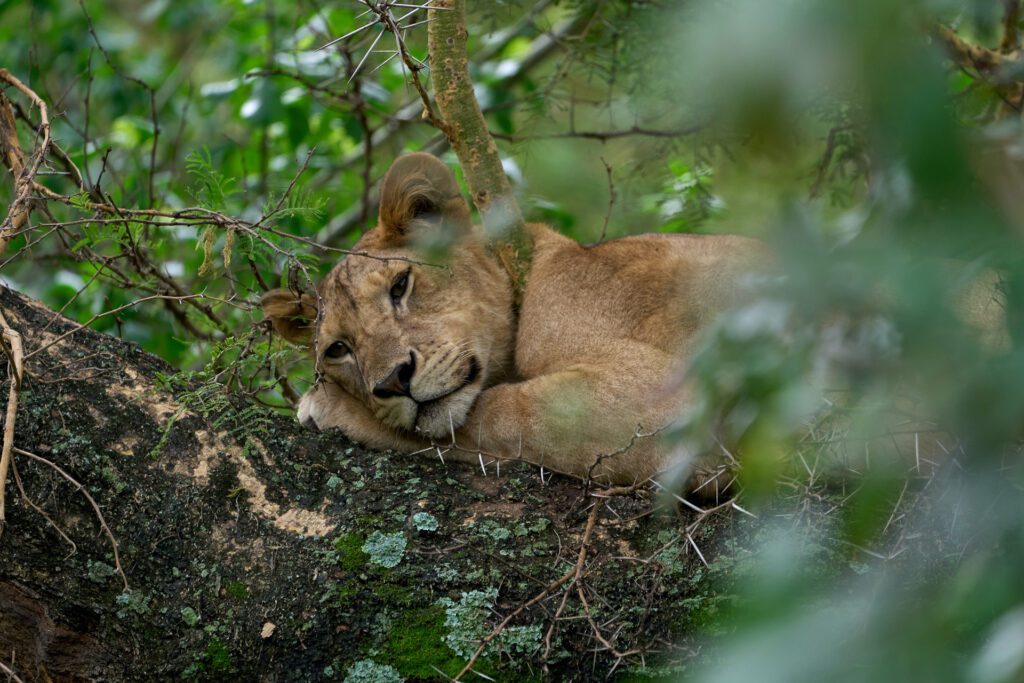
Perfectly located in the Great Rift Valley escarpment and famous for its rich birdlife, tree-climbing lions, and the shimmering alkaline soda lake (Lake Manyara), Manyara National Park offers unique low-impact walking tours, especially at the treetop walkway, along the rift valley wall, groundwater forests, and at the lake’s edge, focusing on spotting over 300 birds, butterflies, vervet monkeys, blue monkeys, etc.
Serengeti National Park
Serengeti National Park in northern Tanzania, Tanzania’s most visited national park, is another of the top destinations for walking safaris in Tanzania.
Though mostly known for traditional game drives, in some remote wildlife areas of the Serengeti NP, such as the Grumeti and Lamai, adventurous travelers can enjoy guided bush walks away from the crowds.
Walking safaris in the Serengeti NP allow visitors to explore the open plains and encounter wildlife on foot, following fresh animal tracks with expert guides for an off-the-beaten-track experience.
Tarangire National Park
Tarangire National Park is one of the major locations where game walking tours in Tanzania take place.
Tanzania’s Tarangire National Park is famous for its massive herds of elephants and varied scenery. It’s a great place for walking safaris by the Tarangire River, and baobab-grasslands dotted with the southern half of the park.
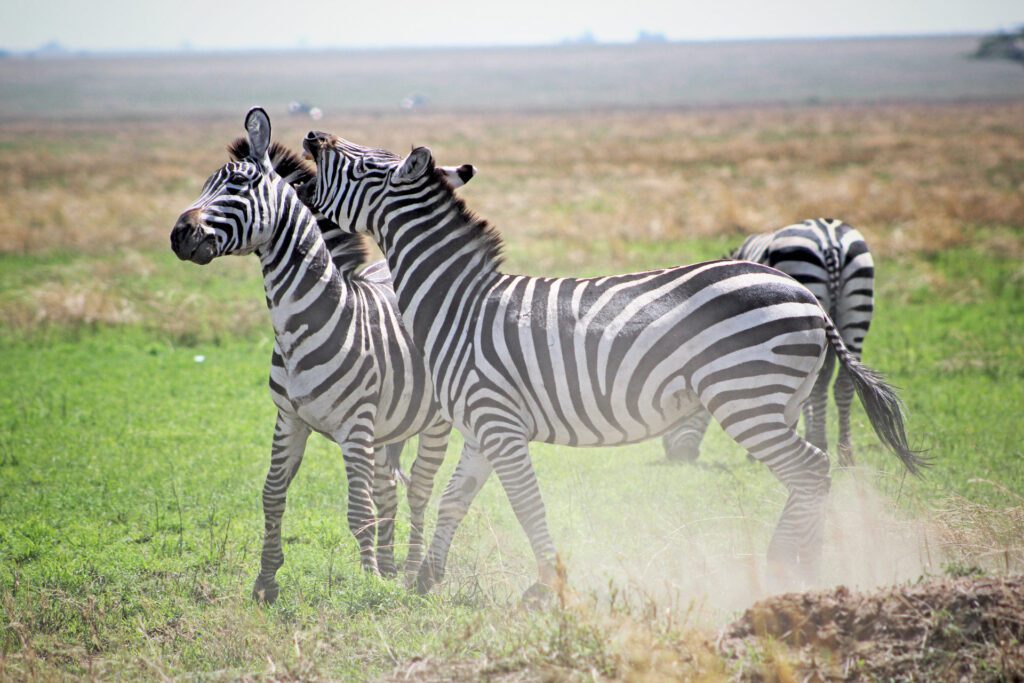
These short excursions (often 2-4 hours or 4-6 hours) are about finding animal footprints, learning about the African wilderness, and viewing species like elephants, impalas, waterbucks, zebra, and giraffe in the flesh.
Nyerere National Park
Nyerere National Park (formerly Selous Game Reserve) is a UNESCO World Heritage site in the southern part of the country, where Tanzania’s remote game walking tours are done.
Tanzania’s Nyerere Park, formerly known as Selous Game Reserve, is one of Africa’s largest reserves and offers remote walking safaris with rich wildlife and diverse ecosystems that often last for multiple days, involving fly camping under the stars and excursions along the great Rufiji River.
Ruaha National Park
Ruaha National Park, in the southern safari circuit, is another of the fascinating national parks where walking tours are done in Tanzania.
Adventurous travelers seeking to see wildlife on foot but with only a handful of people can easily do so by partaking in the Ruaha walking tours in the rugged terrain and baobab-dotted landscapes led by expert guides.
Things To See in Tanzania During Guided Walking Safaris (e.g., Big Game)
Some of the unique things to see during guided walking safaris include
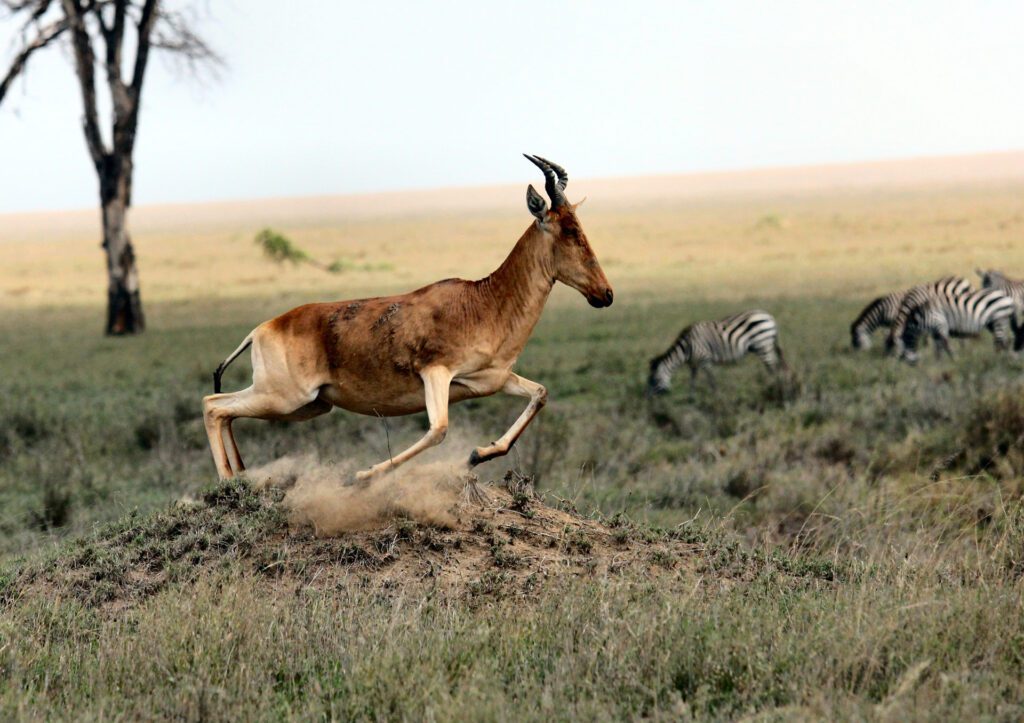
- Wildlife such as the Big Five and herbivores like giraffes, zebras, antelopes, African wild dogs, cheetahs, diverse birdlife, primates, etc., in vast and open grasslands.
- Unique cultures of the Chagga, Datoga, Hadzabe, Swahili, and Maasai people
- Dramatic landscapes like Mt. Kilimanjaro, Ngorongoro Crater, vast plains, winding rivers, lakes, etc.
Fun Safari Experiences to Combine with the Best Walking Safaris in Tanzania
For fun and memorable walking safari experiences, travelers are strongly encouraged to combine their tours with other excursions in the African wilderness, such as
Chimpanzee Trekking
Chimpanzee tracking is one of the best activities worth adding to any Tanzania walking tour. It involves visiting the Gombe Stream or Mahale Mountains National Park in western Tanzania to track wild chimps through an untouched African wilderness for memorable experiences.
Great Migration Viewing
The great wildebeest migration viewing in Tanzania’s Serengeti Park is another of the best experiences worth adding to any walking expedition in this country.
It involves following the massive herds of wildebeests, zebras, and gazelles in 4×4 safari vehicles to witness as these animals cross the deadly Grumeti or Mara Rivers, infested with hungry crocodiles, or traverse the predator-dotted plains.
Climbing Mount Kilimanjaro

Climbing Mount Kilimanjaro is another of the most popular activities worth adding to walking expeditions.
It involves walking on foot to hike Africa’s highest peak, Mount Kilimanjaro (Uhuru peak) via the Lemosho or Marangu routes, among others, encountering the Chagga people, spotting unique flora and fauna, etc., along the way, led by knowledgeable guides.
Game Drives
Guided walking safari excursions can be easily combined with traditional 4×4 game drives for a slow-paced and ultimate safari experience.
Walking safaris in Tanzania allow participants to experience wildlife up close and engage with the environment in a way that traditional game drives cannot, as animals perceive humans on foot differently than those in vehicles.
Other safari activities include Fly camping, Game viewing, Birding, Zanzibar Beach holidays, horse riding, etc
Safety Guidelines During Guided Walking Safaris in Tanzania
For a safe and fun game walking tour in Tanzania, you need to follow the following guidelines
- Always have a professional guide and an armed ranger at all times during the walking tour to ensure safety in potentially dangerous areas or remote locations.
- Endeavor to attend the safety briefing done before each game walking safari by the guides, which includes the instructions on how to behave in the presence of wild animals and the importance of following guidance.
- Remember to always maintain a safe distance (7-10 m) from the dangerous animals of about 7 to 10 m and to walk in a single file as instructed by guides to minimize risks during the walking trip
- Ensure that you wear neutral colors and sturdy footwear during walking safaris.
- Carry drinking water to keep you hydrated, and also sun protection like a wide-brimmed hat to protect yourself from the sun.
- Walking safaris require a minimum age limit of typically 12 to 16 years of participation
- The minimum group size for walking tours is often limited to 4-8 people for safety and quality experiences.
- Avoid running or making sudden movements if a wild animal approaches, as this could trigger their predatory response.
- Follow all the guide’s instructions issued during the briefing session, such as those related to safe distances from the wild fauna.
Best Time to Go to Tanzania for Walking Tours in East Africa
Tanzania’s walking safaris can be done all year round in both the dry and wet seasons, especially in the southern circuit parks like Ruaha and Nyerere NP, blessed with different topographies. However, for the rest of the safari parks, consider these timings
The Dry Season (July to October)
The dry season from June to October is largely considered the most optimal time ideal for wildlife viewing during walking safaris in Tanzania, when the short dry grasses allow travelers to track animals and spot them around watering holes.
This time also coincides with the Great Migration River crossings in northern Serengeti, which makes combining walking tours and wildebeest migration viewing easier.
The Wet Season (January to March)
The wet season from January to March is when the lush greenery is visible, and migratory birds arrive in Tanzania’s safari parks, which makes birdwatching and great wildebeest migration viewing of the calving season (Ndutu and Southern Serengeti plains) much more fun because of the predator prey interactions as predators feast on the newly born young ones of wildebeest and zebras.
World-Class Tanzania Safari Lodges, Hotels, And Tented Camps to Stay at During Walking Tours
In Tanzania, there are several world-class safari lodges, hotels, and camps ranging from budget, mid-range to luxury, offering the best and most comfortable stays to guests on walking safaris.
Most camps and lodges offering these guided walking safaris in Tanzania include Entamanu Ngorongoro, Lemala Nanyukie, Sand Rivers Camp, Usangu Expedition Camp, Kokoko Camp, Kichaka Frontier Camp, Oliver’s Camp, and others.
Tanzania Walking Safari Costs | How Much Does a Walking Safari Cost?
Walking safaris in Tanzania often go for around USD 200-1,000+ per person per day, depending on the level of service, duration, add-on activities, season, location, and entrance fees, among other factors.
Why Choose Game Walking Safaris in Tanzania, Africa?
Most tourists choose to take part in the Tanzania game walking tours for the following reasons
- Walking tours keep you active on your holiday, allowing your leg muscles to work and your heart rate to increase gently, leading to a satisfying end-of-day fatigue.
- Time spent in nature during walking tours has been shown to reduce stress, with the quiet of the bush providing a calming effect on the mind.
- Walking vacations enable travellers to engage more closely with nature, potentially enhancing their well-being and creating precious memories of immersive experiences.
- On a walking safari you can get to out-of-the-way spots that you couldn’t normally get to by vehicle. It’s a different way of seeing untouched landscapes and seeing creatures in their natural habitat.”
- Walking safaris in Tanzania enhance sensory experiences, allowing participants to hear, smell, and feel the wilderness, which can lead to a deeper connection with nature compared to the more passive experience of a game drive.
- Tanzania’s walking trips enable you to learn about the ancient history of the African lands firsthand.
Reputable Tanzania Tour Operators Offering Game Walking Safari Packages
Some of the best reputable Tanzania tour operators offering budget, mid-range, and luxury or private walking safari packages include
- Prime Safaris and Tours Ltd
- Tanzania Safaris and Tours
- Wild Gorilla Safaris
- Africa Safaris Tours
- Kenya safari Tours
Tanzania Safari Checklist for Game Walking Trips
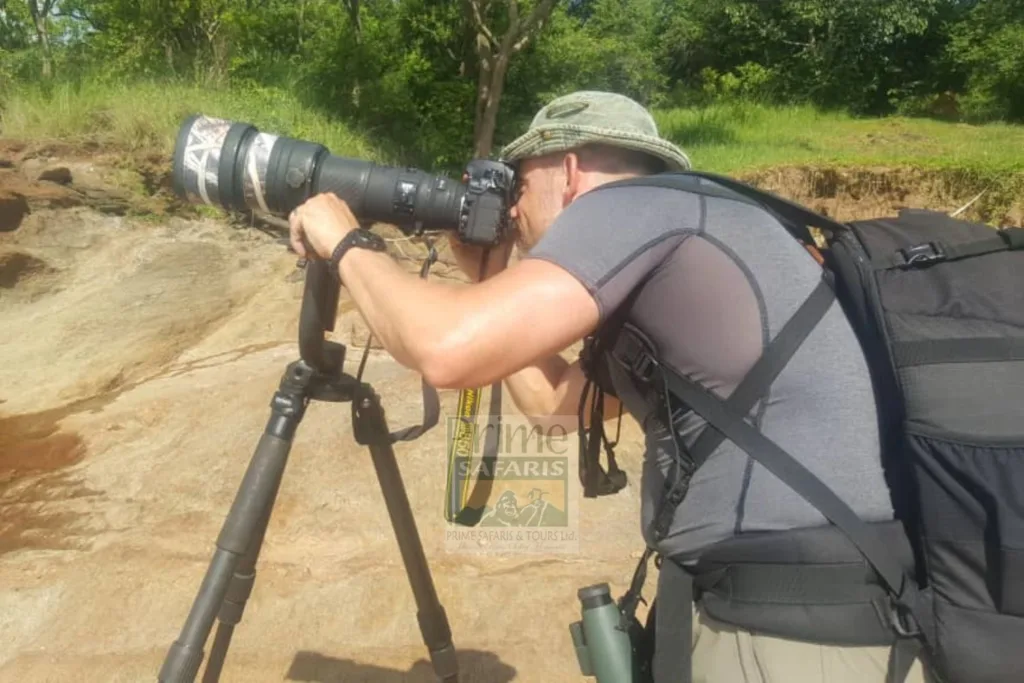
For a good Tanzania walking tour, we strongly recommend that you carry essential items and not creature comforts like a lightweight backpack, neutral-colored clothing, binoculars, a camera, a wide-brimmed hat for sun protection, a 2 L reusable drinking water bottle to hydrate, energy bars, sunscreen, insect repellent, comfortable walking shoes, a rain jacket, and many others. READ MORE!
Answers To Commonly Asked Questions About the Tanzania Walking Tours
1. Are Walking Safaris Worth It? | Is Walking Safari Worth It?
Yes, walking safaris are worth it. Walking safaris provide travellers with a sensory, immersive experience of exploring the African environment on foot while getting closer to enormous species such as elephants.
2. Can You Do a Short Safari in Tanzania?
Yes, Tanzania does have some short safari options, especially those that are fly-ins and short 2-3 day trips.
3. What Is the Best Month to Do a Safari in Tanzania? |What Month Is the Best Time to Visit Tanzania?
The greatest time for a Tanzania safari is the dry season, from July to October (long rains over). This is the best time of year for viewing the great wildebeest migration, going to the beach and seeing animals at the available watering holes.
4. Why Not Wear White on Safari?
On travels in Tanzania, travellers are strongly prohibited from wearing white because white garments powerfully reflect light and contrast with the natural landscape, making them more apparent to wildlife, which can alert predators.
5. Is It Safe for Americans to Travel to Tanzania Right Now?
Tanzania is currently safe to visit by Americans and other tourists from all over the world; however, just like any safari nation, it is important to follow your travel agent’s guidelines and stay cautious.
6. Can A Woman Wear Shorts in Tanzania?
Yes, a woman can wear shorts in Tanzania, depending on where she is, e.g., along beaches and in safari vehicles, but not in public, towns, religious or cultural sites.
7. What Is Better, Tanzania or Zanzibar?
Tanzania and Zanzibar are completely different from each other and offer different safari experiences, so neither is objectively better than the other.
Don’t miss out on an adventure of a lifetime. Call or email us now for a customized Tanzania walking safari package that will offer you some of the most unforgettable memories!