
Mountains in Tanzania Africa
Discover the most towering mountains in Tanzania worth marvelling at during African safaris.
Tanzania in East Africa is home to over 2,000 recognized mountains, with some of the most popular tourist destinations of these mountains including Mount Kilimanjaro (5,895 m (19,341 ft), Mount Meru (4,566 meters), and Ol Doinyo Lengai (2,878 meters), among several others.
Most of Tanzania’s mountains form the nation’s geographical landscape, shaped by the East African Rift Valley, which formed a million years ago as tectonic plates separated.
The mountains of Tanzania are renowned for hosting unique biodiversity, most of which is endemic to the region, including rare birds, unique vegetation zones, amazing and endemic animals, dramatic landforms, etc.
Travelers who are interested in visiting these natural wonders, i.e., the mountains of Tanzania, are strongly encouraged to book our mountain climbing safaris to see these majestic landscapes firsthand, especially during the dry seasons, June to October.
Essential Insights About the Tanzanian Mountains
- Tanzania is known for being home to over 2,000 recognized peaks ranging from remote active volcanoes to lush biodiverse ranges.
- The most popular mountains of Tanzania include Mt. Kilimanjaro (5,895 m (19,341 ft), Mt. Meru (4,566 meters), and Ol Doinyo Lengai (2,878 meters).
- The mountains of Tanzania support diverse ecosystems, including tropical rainforests, montane forests, and alpine meadows, which are crucial for the survival of unique species of local wildlife.
- The best way to see the mountain of Tanzania is by partaking in the mountaineering or mountain climbing excursions.
- Additional information worth knowing about the mountains of Tanzania, such as packing list, best times, operators, etc., worth knowing as you start planning visits to them.
Here is everything you need to know about the Tanzanian mountains.
Mount Kilimanjaro – Africa’s Highest Peak and Tanzania’s Highest Mountain
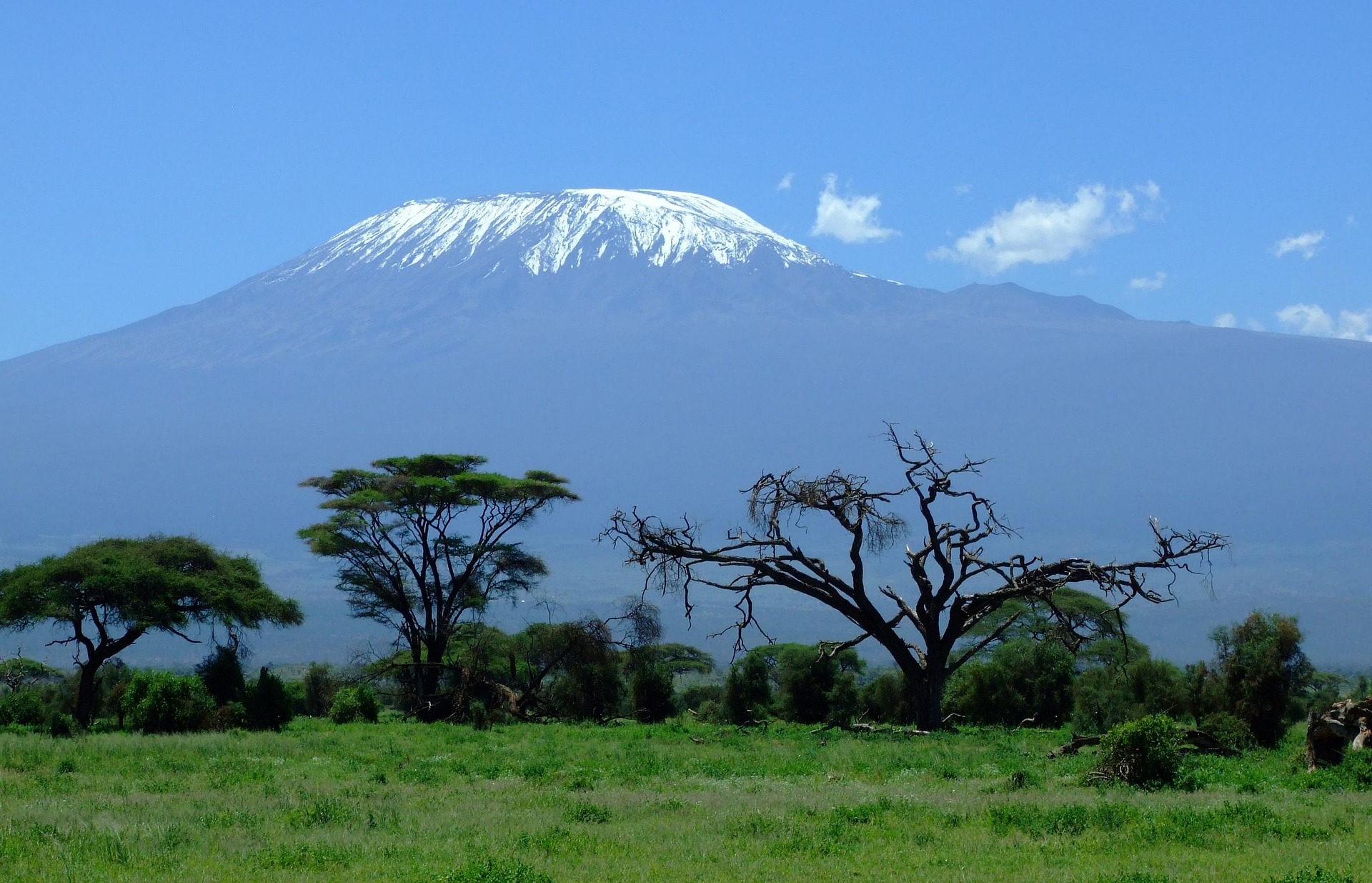
Mount Kilimanjaro is one of the most prominent mountain ranges in Tanzania, worth seeing during Tanzanian tours.
Tanzania’s most popular mountain, close to the Equator, Mount Kilimanjaro, standing at 5,895 m (19,341 ft) above sea level, is the highest mountain in Africa and the world’s tallest free-standing mountain.
Mount Kilimanjaro, a UNESCO World Heritage Site in northeastern Tanzania near the Kenya border, is also called the ‘roof of Africa’ because of its elevation at 5,895 m (19,341 ft), and it also has at least five distinct climate zones.
Key Attractions on Mount Kilimanjaro (UNESCO World Heritage Site)
Some of the unique attractions on Mount Kilimanjaro are
- Five Ecological Zones: These range from the lush rainforest, cultivated farmlands, heath & moorland, alpine deserts, and the Arctic ice cap at the tip.
- Geological Formations: These include the Rundugugai Hot Springs, glacial lakes, Kilimanjaro waterfall, Barranco Wall, Lava Tower (300- foot volcanic rock), etc.
- Unique Flora and Fauna: Some of the stunning wildlife on Mount Kilimanjaro includes the giant groundsels, wild dogs, colobus monkeys, and elephants, among others, especially on the lower slopes.
Mt. Kilimanjaro Peaks (E.G., Uhuru, Mawenzi, Shira, and Klute Peak)
Kilimanjaro has about three peaks and a plateau
- Uhuru Peak or Kibo (the tallest and dormant), at 5,895 m (19,340 ft), the tallest peak in Tanzania and the ultimate goal for most trekkers.
- Mawenzi Peak (extinct), at 5,148 meters (16,890 feet) on the eastern side of Kilimanjaro Mountain, making it the second-highest peak in Tanzania, is only climbed by experienced hikers.
- Klute Peak at 3,953 meters (12,970 feet) on the western border of Kilimanjaro, making it the fourth-tallest peak in Tanzania.
- Shira (extinct volcano) is one of the oldest collapsed peaks, forming a broad plateau on the western side of Mt Kilimanjaro.
Climbing Kilimanjaro
- Non-Technical Climbs: These are treks done on Mt. Kilimanjaro that do not require mountaineering skills, ropes, crampons, or ice axes, just a long, steep hike, especially if heading to Uhuru Peak.
- Technical Climbs: These are hikes done on Mount Kilimanjaro that require technical expertise and mountaineering experience, especially if seeking to conquer the Mawenzi Peak.
- Summiting Mount Kilimanjaro: The final ascent to the tip usually begins just after midnight, requiring most climbers to trek in freezing, windy conditions if they are to reach Uhuru Peak by sunrise, so proper three-layered clothing is strongly recommended.
- High Altitude Sickness: Altitude sickness is one of the major challenges faced by trekkers climbing Mount Kilimanjaro, requiring proper acclimatization or proper medication.
- Preparation: Climbers are strongly encouraged to be physically fit with good mental endurance, so physical fitness training is crucial.
- Duration: Climbing Mt. Kilimanjaro typically takes between five and nine days, depending on the chosen route, with longer routes allowing for better acclimatization and higher success rates.
- Best Time: The best time to climb Mount Kilimanjaro is from January to March and June to October, when the weather is generally dry and weather conditions are more favorable for hiking and trekking.
- Booking and Planning: Hikers are strongly encouraged to book Mt. Kilimanjaro climbs through licensed tour operators with licensed guides, cooks, and porters for meal prep and logistics.
POPULAR CLIMBING ROUTES (EG MACHAME AND LEMOSHO ROUTE)
Mt. Kilimanjaro has around seven climbing routes that most climbers use to get to the peaks. These include.
- Machame Route, ‘Whiskey Route.’
The Machame Route is often recognized as the most scenic and rewarding trail, featuring dramatic landscapes with varied heights enabling climbers to trek in high elevations and sleep at low elevations for about 6-7 Days.
- Marangu Route ‘Coca Cola Route.’
The Marangu route is one of the oldest trails and the only one that has communal hut accommodations. It is very direct, making it the fastest trail to the tip. It takes 5-6 days to complete.
- Lemosho Trail
The Lemosho trail is widely considered to be the best route that is uncrowded, very panoramic, and offers the best pacing for acclimatization, leading to one of the highest summit success rates. It takes about 7-8 days to complete.
- Rongai Route
The Rongai route is the only trail that can reach the mountain summit from the northern part, and it is much drier, quieter, and less crowded than the trails on the southern side of Kilimanjaro.
- Northern Circuit Route
The northern circuit route is often considered the longest route on Mount Kilimanjaro, often taking hikers about 9+ days to complete, and passes through the entire northern slope with great acclimatization and peak success rates.
- Umbwe Route
The Umbwe Route is another of the famous trails on the Kilimanjaro mountain because it is the shortest, steepest, and most direct trail that demands good physical fitness and offers a good sense of accomplishment once conquered.
- Shira Route
The Shira route is another trail on the Kilimanjaro mountain that can be approached from the west, just like the Lemosho trail, though it starts at a higher/bigger elevation.
Mount Meru in Arusha National Park (A Tanzania Bird Watching Haven)
Mount Meru is another of the most prominent mountains in Tanzania, worth seeing during Tanzanian trips.
The towering Mount Meru, situated in Arusha National Park, is considered to be Tanzania’s second-highest mountain and the third-highest mountain at 4,566 meters (14,980 feet above sea level) and is renowned for its diverse wildlife and stunning views.
Things To See on Mt. Meru
- Arusha National Park Wildlife: On the lower slopes of Mount Meru in Arusha National Park in the rainforests, bamboos, etc, travelers on a walking safari can spot stunning wildlife such as the buffalo, giraffe, blue monkeys, colobus monkeys, and several bird species (400+).
- Maio and Mount Meru Waterfalls: Tourists on hiking tours can spot these cascading waterfalls on the mountain.
- Momella Lakes: The shimmering alkaline lakes, famous for their flamingo populations, are one of the key highlights that can be seen from the Mt Meru trails.
- Fig Tree Arch: A beautiful big fig tree in Arusha NP that has grown into a large natural arch that cars can drive through is another of the fascinating things to see when on Mount Meru.
- Rhino Point: A unique rocky outcrop along the mountain rails at 3,800m that offers sweeping views of the tip and volcanic crater.
Mount Meru Peaks
- Socialist Peak at 4,566 metres (14,980 feet), the third-highest summit/peak in Tanzania
- Ash Cone found inside the massive volcanic caldera on Mt. Meru.
- Meru Crater Rim that leads hikers to the summit with stunning views of the 1,500m deep ash cone below.
Climbing Mount Meru
- Preparation and Fitness: Climbing Mount Meru is quite challenging, but you do not need any technical equipment; you just need physical fitness, stamina, and mental endurance.
- Acclimatization: Mt. Meru is often used as an acclimatization hike for higher Kilimanjaro climbs, offering a challenging trek that usually takes four to five days to complete, with the potential for wildlife sightings along the way.
- Planning: Climbers must be accompanied by armed park rangers and professional mountaineering guides, and sleep in designated mountain huts.
POPULAR CLIMBING ROUTE ON MOUNT MERU
- Momella Route
The only climbing route on Mt. Meru is the Momella route that leads to the Miriakamba Hut and takes around 3-4 days with proper acclimatization.
Mahale Mountains – Mahale Mountains National Park
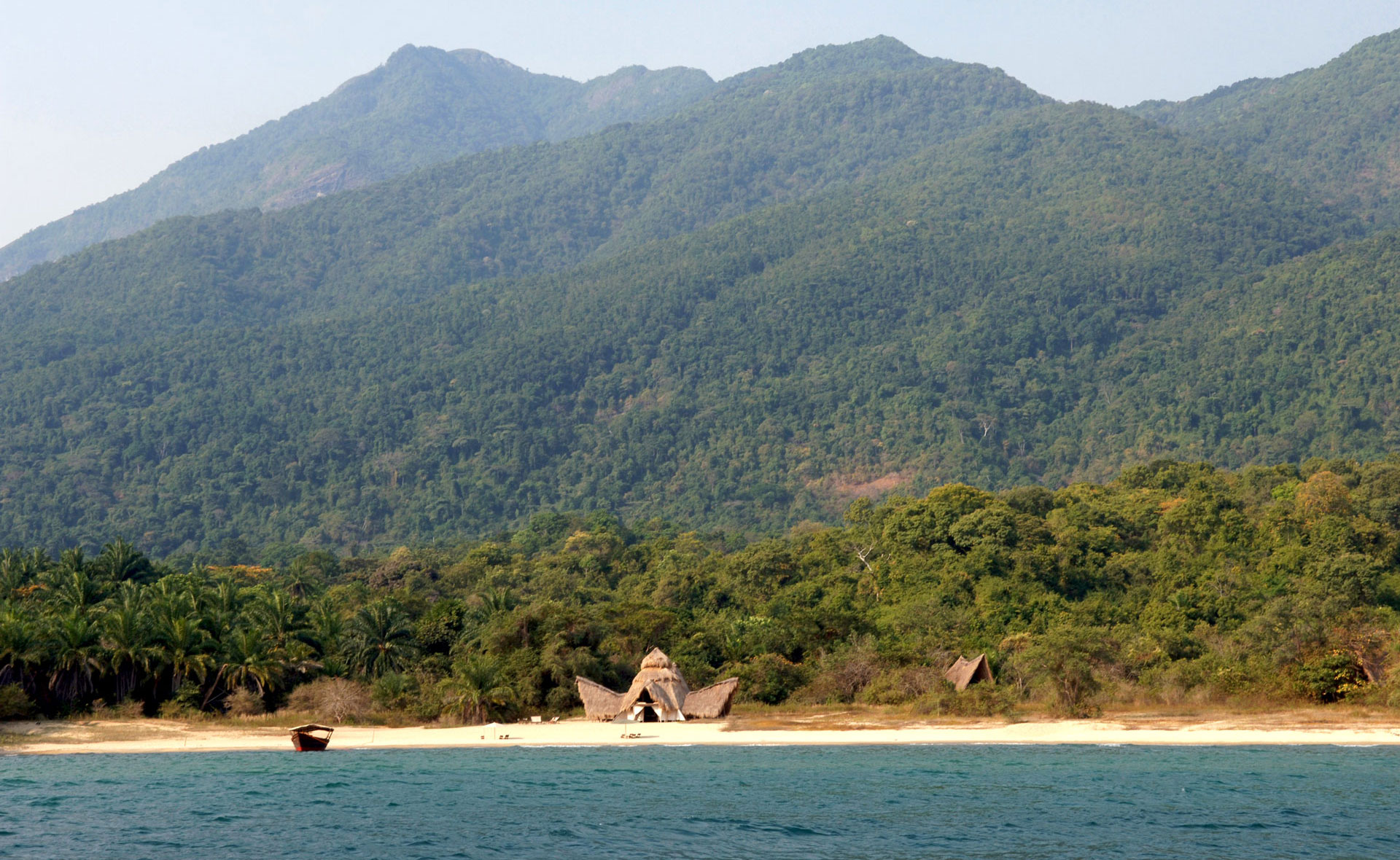
The Mahale Mountains are one of the most prominent mountain ranges in Tanzania, worth seeing during Tanzanian safari tours.
They are found in the popular Tanzania national park, Mahale Mountains National Park, which is famous for being home to one of the largest protected populations of chimpanzees in the world and in Tanzania.
These mountain chains are located on the western border of Tanzania, on a peninsula on Lake Tanganyika, making it only accessible by boat.
Things To See in Mahale Mountains
- Diverse Wildlife: These include habituated chimpanzees, red colobus monkeys, leopards, rare roans, sable antelopes, porcupines, etc., seen in natural habitats like the montane rainforests and miombo woodlands.
- Lake Tanganyika: The longest and deepest freshwater lake in the world, which features warm waters perfect for water sports like sport fishing, snorkeling, and beach relaxation.
Mahale Mountains Peaks
- Mount Nkungwe at 2,573 meters (8,268 feet) is the tallest peak in the range
- Other Prominent peaks in the Mahale Mountains include Pasagulu (2,575m), Sisaga (2,335m), Mhesabantu (2,100m), Humo, Sibindi, and Mfitwa.
Climbing The Mahale Mountains
- The Climb: Travelers on hiking excursions us ethe Mount Nkungwe route that passes through tall grass and bush, accompanied by armed park rangers.
- Duration: The trek to the Nkungwe summit takes about 2-3 days to complete the round trip.
- Best Time: The best time for climbing the Mahale Mountains is during the months of May to October, which coincides with the dry season, providing better conditions for hiking and wildlife viewing in the surrounding park areas.
POPULAR HIKING ROUTES IN THE MAHALE MOUNTAINS
- Mount Nkungwe Route
The most prominent and popular climbing route is one that leads up to the Mt Nkungwe route, which holds spiritual & religious significance to the local Tongwe people, with good physical challenges.
Mount Ol Doinyo Lengai -Ngorongoro Conservation Area
Mount Ol Doinyo Lengai is one of the most prominent mountain ranges in Tanzania, worth seeing during Tanzanian tours.
The famous Ol Doinyo Lengai in northeastern Tanzania, standing at 2,878 meters (9,251 feet above sea level), is considered unique among all the mountains in the country because it is the only active volcano that erupts carbonatite lava, which is cooler than typical lava and changes color upon contact with humidity.
Mount Ol Doinyo Lengai means ‘Mountain of God’, because the local Maasai people who speak the Maasai language believe a god named Engai set up his base and home on the mountain after a hunter hit him with an arrow.
It is located in the Ngorongoro Conservation Area near Lake Natron in the Great Rift Valley escarpment and has two craters, with one active and the other filled with water.
What To See on Ol Doinyo Lengai
Climbers on Ol Doinyo Lengai have several things to see, including
- Carbonatite Lava: Besides the normal red lava flows, Ol doinyo Lengai has a different type of lava flow that is rich in sodium and potassium, erupting in a black color and solidifying in a white color.
- Volcanic Crater and Fumaroles: The mountain has an active volcanic crater, active vents, and steam-emitting cones on the summit, which are proof of the geological activity here.
- Lake Natron: A breeding site for endangered lesser flamingos at the bottom is another of the unique things to see when at Ol Doinyo Lengai.
- Stunning Vistas: Standing at this mountain, climbers can easily spot Mount Kilimanjaro, Ngorongoro Highlands, and the Great Rift Valley escarpment.
Ol Doinyo Lengai Peaks
- The Summit Peak and Volcanic Crater: Ol Doinyo Lengai summit peak reaches 2,962 meters (9,718 feet above the ground) on the Great Rift Valley Floor.
This is largely defined by the active volcanic crater that reshapes after small eruptions.
Climbing Ol Doinyo Lengai
- The Challenge: Climbing Ol Doinyo Lengai, Tanzania’s only active volcano, is considered a challenging experience due to its steep gradient and loose scree, with climbers typically starting their ascent at night to reach the summit at sunrise.
- Duration: The round-trip hike is about 11 km with a steep gradient of about 2,000 meters, taking climbers about 8-14 hours to complete, as long as they start early.
- Safety: Considering that it is an active mountain, travelers are strongly encouraged to check with the park for activity on the mountain.
- Best Time: The most optimal time for climbing Ol Doinyo Lengai is during the dry months from June to September, when there are cooler temperatures and less rainfall, making the trails dry.
POPULAR ROUTES ON OL DOINYO LENGAI
- The Standard Northern or Western Route
Ol Doinyo Lengai has only the standard northern or western route, which starts at the base of Lake Natron, heading to the northern or western slopes and to the volcanic rim.
Eastern Arc Mountains
The Eastern Arc Mountains are one of the most prominent mountain ranges in Tanzania, worth seeing during Tanzanian safaris.
This mountain chain, also known as the ‘Galapagos of Africa,’ includes the Udzungwa, Usambara, and Uluguru mountain ranges, known for their exceptional biodiversity and high rate of endemism.
These popular mountain chains of southern Tanzania, the Eastern Arc Mountains, were uplifted around 100 million years ago and have undergone multiple phases of erosion and uplift since their formation.
Udzungwa Mountains – Udzungwa Mountains National Park
The Udzungwa Mountains are part of the Eastern Arc Ranges found in Udzungwa Mountains National Park recognized for high biodiversity, i.e., many species of unique flora and fauna.
Udzungwa National Park is one of the Tanzania safari parks and is home to a variety of wildlife, including primate species and several endemic species of birds and butterflies, making it one of the most biodiverse regions in Tanzania.
These Udzungwa Mountains (UNESCO World Heritage Site) are a good hotspot for nature lovers seeking multi-day rainforest treks that include a visit to the 170-meter Sanje Waterfall.
ATTRACTIONS IN THE UDZUNGWA MOUNTAINS (UNESCO WORLD HERITAGE SITE)
- Endemic Wildlife: Such as the elephants, buffalo, duikers, giant elephant shrews, endemic Kipunji monkeys, Sanje crested mangabeys, Iringa red colobus, over 400+ birds like the Udzungwa forest partridges, Unique flora (African violet), etc.
- Prince Bernhard Waterfalls: A beautiful and small waterfall near the park offices.
- Sanje Waterfalls: This is a major 170-meter three-tiered cascade that plunges into a plunge pool where you can swim.
UDZUNGWA MOUNTAIN PEAKS
- Luhomero Peak: This is the highest point in the Udzungwas, which goes up 2,576 meters above the ground.
- Mwanihana Peak: This is another peak in the Udzungwa mountains, which goes up to 2,150 meters above the ground.
CLIMBING THE UDZUNGWA MOUNTAINS
- Best Time: The ideal time for climbing the Udzungwa Mountains is during the drier months from June to October, as this is when the weather is typically dry and suitable for outdoor activities.
- Safety: Hikers are strongly encouraged to go for climbs with armed rangers, local guides, and, if going for longer treks, a team of cooks and porters.
POPULAR HIKING TRAILS IN THE UDZUNGWA MOUNTAINS
- Sanje Waterfall Trail
The Sanje waterfall trail has several varying levels of difficulty ranging from easy to moderate, taking about 3-5 hours round trip to complete, and passes through the Sanje River and lowland forests.
- Mwanihana Peak Trail
The Mwanihana Trail is the most challenging and strenuous trail that takes about 2-3 days to complete, passing through unique vegetation zones and with sweeping views of the Kilombero Valley.
- Lumemo Trail/Luhomero Peak Trail
This trail is extremely challenging for most hikers and often takes about 4-6 days to complete and reach the highest point.
Uluguru Mountains
The Uluguru Mountains are another part of the Eastern Arc Mountains in eastern Tanzania, known for their rich endemism and biodiversity.
They are found in Morogoro, rising ~2,656 meters above sea level, offering thrilling climbs through indigenous Waluguru villages, ancient rainforests, etc.
ATTRACTIONS IN THE ULUGURU MOUNTAINS
- Biodiversity: The Uluguru Mountains are home to endemic birds like the Uluguru bush-shrike, endemic species of plants like African violets, Begonias, busy lizzies, etc.
- Choma Waterfalls: A beautiful cascading waterfall with natural swimming pools and picnic spots.
- Morningside: An old German colonial ruin nestled on a plateau serving as a good viewpoint with stunning views of Morogoro Town and the surrounding plains.
- Local Communities: Local Waluguru villages where you can engage cultural interactions, enjoy basket weaving, savouring local cuisine, partake in basket weaving, etc.
ULUGURU MOUNTAINS PEAKS
- Lukwangule Peak: This is the highest point in the Uluguru mountains at an elevation of 2,656 meters, which takes several days to complete.
- Lupanga Peak: This is found at 2,147 -2,630 meters, highly popular among experienced hikers seeking a good challenge.
- Bondwa Peak: It is a shorter, more accessible, rewarding peak in the Ulugurus.
CLIMBING ULUGURU MOUNTAINS
- The Hike: The climb up to the Ulugurus involves trekking through green tropical rainforests, steep ascents, and ridges, often lasting for 2-3 days, and is often used as practicing examples for Kilimanjaro climbs.
- The Best Time: The climb is best done during the dry seasons (June to October) when the temperatures are cool, clearer views, trails are less slippery.
POPULAR HIKING TRAILS IN THE ULUGURU MOUNTAINS
- Morning Side Trail
A moderate, classic day-hike (4–6 hours round trip). It begins in Morogoro town, winds through lush farms and forests, and takes you to the Morningside ruin viewpoint.
- Choma Waterfalls Trail
An easy-to-moderate 3 to 4-hour return route. It features gentle paths that cut through local farmlands, leading directly to the waterfall.
- Bondwa Peak Loop
A 4 to 5-hour hike of moderate difficulty from Peace Mountain Lodge. It requires a good level of fitness but provides spectacular alpine views from the summit.
Usambara Mountains (A Tanzania Bird Watching Hub)
The Usambara Mountains are part of the ancient Eastern Arc Mountain range that is widely known for its remarkable biodiversity, including many endemic species, scenic villages, cooler temperatures, and tea plantations, offering an eco-tourism and cultural focus.
They are found close to the border with Mkomazi National Park in northeastern Tanzania, a short distance from the Indian Ocean (east) and Kenya (north).
They are managed as a distinguished forest and nature reserve because of the dense cloud rainforests there that host wildlife species like the endemic chameleons, birds, and colobus monkeys.
The Usambara Mountains are divided into two separate subranges separated by the Lwengera Valley, i.e., the West Usambaras and East Usambaras.
THE WEST AND EAST USAMBARA SUBRANGES AND THEIR ATTRACTIONS
- The West Usambaras
These are considered very scenic with stunning waterfalls, local villages of the Sambaa people, Magamba Nature Reserve, where you will see unique fauna like the three-horned chameleons, rare owls, colobus monkeys, and stunning birds, especially the paradise flycatchers.
- The East Usambaras—A Bird Watching Hotspot
These are the least explored of the Usambara Mountains but are considered to be the best birding hotspots in Tanzania, with over 335 bird species, including endemic birds such as the Sokoke scops owl, Usambara eagle owl, and others found in the Amani Nature Reserve (Africa’s second most biodiverse place).
USAMBARA MOUNTAIN PEAKS
- Chambolo Peak: This is the highest point in the Usambara Mountains, standing at an elevation of ~2,289 meters above the ground.
- Kwamongo Mountain: This is another peak in the Usambaras at an elevation of ~1,800 meters above the ground, known for colourful butterflies.
- Vuria Peak: A famous peak in the Usambaras with stunning views of the surrounding plains.
CLIMBING THE USAMBARA MOUNTAINS
- The Climb: The hike to the Usambaras involves moving through ancient, old-growth rainforests, colorful fruit nurseries, and terraced farmlands to reach the peaks. The steep terrain is well marked but can get muddy during the rainy seasons.
- Best Time: The best time to visit the Usambara mountains for trekking purposes is during the hot season from June to November, when the trails are more accessible.
POPULAR CLIMBING ROUTES IN THE USAMBARAS
- Lushoto To Irente Viewpoint
The Lushoto to Irente viewpoint trail is a short trail that takes half a day to complete (2-3 hours round trip) from Lushoto Town, passing via the famous Irente Farm, popular for its homemade cheese and bread.
- The Growing Rock (Soni-Kwamongo)
The growing rock trail is one that starts in Soni and takes about half a day to complete, reaching the Kwamongo mountain with beautiful views of butterfly species and the Handeni plains.
- Lushoto To Mtae Village
The Lushoto to Mtae village route is a popular and longer trail that takes about 3-5 days to reach the peak, passing via the Mambo viewpoint from Lushoto town.
- Magamba Rainforest Trail
This is a panoramic trail that begins in Lushoto, passing through dense forests, ancient tree species, and stops at the historic German dug caves.
OTHER MOUNTAINS IN TANZANIA
- Mount Hanang-3,420 metres (11,220 feet) -5th Highest Mountain in Tanzania
- Mount Luhombero- 2,576 metres (8,450 feet)-6th Highest Mountain in Tanzania
- Mount Sisaba at 2,462 metres (8,080 feet)-7th Highest Mountain in Tanzania
- Mount Selegu at 2,456 metres (8,060 feet)-8th Highest Mountain in Tanzania
- Mount Sibindi at 2,371 metres (7,780 feet)-9th Highest Mountain in Tanzania
- Olmoti Crater
- Pare Mountains
- Mount Loomalassin
- Livingstone Mountains (extending to Lake Nyasa)
How Best to See the Mountains of Tanzania
The best way to see the mountains of Tanzania is through mountaineering or mountain climbing, which involves trekking through diverse climate zones, unique vegetation zones from lush rainforests to deserts and glaciers, for varied timeframes, from full-day hikes to multi-day hikes that last for 2-9+ days.
Where To Stay When Exploring Tanzania’s Mountains?
When you are exploring Tanzania’s Mountains, you can spend a night in several accommodation options in gateway towns during pre- or post-climbs, like Moshi and Arusha.
Additionally, during the treks, you will stay in mountain huts or camp along routes for overnight stays.
Best Time to Explore Mountains of Tanzania
The weather conditions on Tanzania’s mountains are greatly influenced by their equatorial wet and dry season cycles.
Therefore, the most optimal time to explore the mountains of Tanzania is during the dry seasons from late June to October (long dry season) and January to mid-March (short dry season).
The long dry season (June to October) is characterized by the least rainfall and moderate temperatures, making it ideal for summitting peaks like Mt. Kilimanjaro and Mt. Meru.
The wet seasons from March to May (long rains) and November to December (short rains) make the trails muddy and slippery, which makes mountaineering more challenging.
Costs To Incur When Visiting Tanzania’s Mountains
To climb a mountain of Tanzania, you are likely to incur average costs that range from USD 2,000 to 8,000, depending on the chosen mountain, duration, and season.
These costs often involve all related fees such as transport, accommodation, park entrance fees, local guide fees, meals, porter fees, etc.
Packing List for Safaris to Tanzania’s Mountains

We strongly encourage you to pack and carry essential items like sturdy hiking boots, sleeping bags, trekking poles, headlamps, reusable water bottles, energy snacks, three-layer clothing, insect repellent, sunscreen, altitude sickness medicines, wet wipes, and other items recommended by your tour operator. READ MORE!
Getting To the Tanzania Mountains from Dar Es Salaam
Fly into Tanzania through the Julius Nyerere International Airport, and on arrival, use private vehicle transfers to get to your desired mountain or fly there, for example
- Kilimanjaro (Africa’s tallest mountain)- 9-10 hours drive from Dar es Salaam or 1.5-hour flight to JRO Airport
- Mt. Meru-11-12 hours drive from Dar es Salaam or 2-hour flight to JRO Airport
- Usambaras -6-7 hours drive from Dar es Salaam
- Udzungwas – 5-7 hours drive from Dar es Salaam
The Best Tanzania Safari Companies Offering Mountain Climbing Excursions in Tanzania
- Prime Safaris and Tours Ltd
- Tanzania Safaris and Tours
- Wild Gorilla Safaris
- Africa Safaris Tours
- Kenya safari Tours
Frequently Asked Questions About Tanzania Mountains
1. Can A Beginner Climb Kilimanjaro?
Many beginners can easily climb Mount Kilimanjaro (Africa’s tallest peak) ; all they need is to be physically fit and have a good support team.
- How Many Mountains Are There in Tanzania?
The East African nation of Tanzania is said to have over 2,395 recognized mountain peaks, among others.
- How Many People Died in Kilimanjaro?
Among the 30,000-50,000 hikers that attempt to climb Mount Kilimanjaro (Africa’s tallest peak) each year, only 3 to 10 people are said to have died among those each year.
- What Is the Famous Mountain in Tanzania?
The most famous mountain in Tanzania is Mt. Kilimanjaro, which stands at 5,895 m (19,341 ft above the ground), making it Africa’s tallest peak and the world’s tallest free-standing mountain.
- What Are the Famous Mountains in Tanzania?
The most famous mountains in Tanzania include Mt. Kilimanjaro (Africa’s tallest peak), Mt. Meru, Ol Doinyo Lengai, the Usambara Mountains, the Udzungwas, and others.
- How Difficult Is It to Walk Kilimanjaro?
Walking Mt. Kilimanjaro or climbing Mount Kilimanjaro (Africa’s tallest peak) is physically and mentally demanding but not technically difficult because even non-experienced climbers can walk to Kilimanjaro’s summit.
- What Is Harder, Everest or Kilimanjaro?
The choice of which of the two mountains, Mount Everest and Kilimanjaro, greatly depends on one’s goals, physical fitness, and other factors.
- Are There Any Mountains in Tanzania?
Yes, the Eastern African country Tanzania has several mountains, including Africa’s tallest peak, Mt. Kilimanjaro, at 5,895 m (19,341 ft), and the second tallest mountain in the country, Mt. Meru (4,562 meters), among many others.
- What Is Harder, Kilimanjaro or Mont Blanc?
Mont Blanc, in the Alps of western Europe, is widely considered harder to climb than Kilimanjaro Mountain in Tanzania (Africa’s tallest peak).
Contact us today, and we will tailor the best Tanzania safari package for you to see the mountains in this East African nation firsthand.