
SCUBA DIVING IN TANZANIA: ADVENTUROUS TANZANIA SCUBA DIVING TOURS
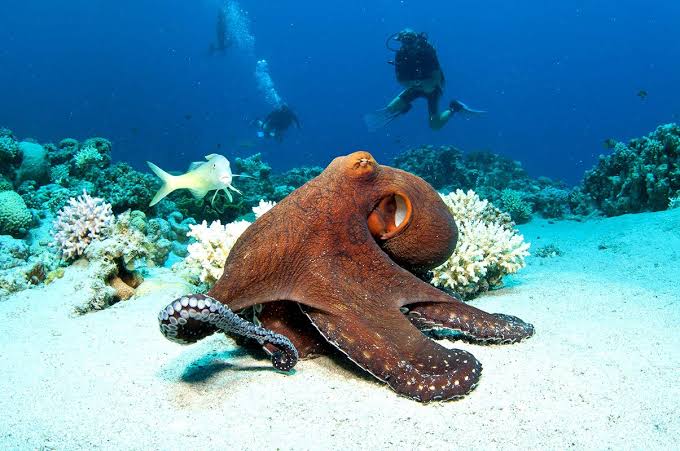
Discover the most beautiful marine life, coral gardens, and underwater landforms by partaking in adventurous Tanzania scuba diving tours.
Tanzania is known for its endless plains, savannas and abundant wildlife in the major safari parks of the Serengeti and Ngorongoro Crater. The country also boasts world-class scuba diving in the Indian Ocean, with three main areas: Mafia Island, the Zanzibar archipelago and Pemba Island.
Advanced divers can explore pristine coral reefs, dramatic drop-offs, shipwrecks, and marine reserves/parks teeming with sea turtles, manta rays, whale sharks, dolphins and large pelagic fish for memorable safari experiences.
Whether you are a seasoned diver or a beginner, Tanzania has all the best dive sites for all skill levels, the best dive guides, different scuba diving forms, diving equipment, and more.
The ideal diving time in Tanzania is during the dry months from August to March, when visibility is at its peak, seasonal migrations of humpback whales are in motion, and the marine life is colorful.
Essential Insights About Scuba diving in Tanzania
- Tanzania is the main diving centre in East Africa thanks to its three major “Spice Islands”: Unguja (Zanzibar), Pemba and Mafia.
- Diving in Tanzania is mostly from beaches or day boats, with only a few private charter liveaboards, allowing advanced divers spectacular drop-offs and great dives on the Tanzanian coast.
- Scuba divers on the diving excursions have plenty of unique things to see underwater, such as the colorful fish, corals, reef sharks, and other large pelagic species.
- More information worth knowing as you start planning your Tanzania scuba diving excursions, such as access, accommodation, packing list, etc.
Sample Tanzania Tours & Vacations (Popular Tanzania Itineraries & Packages)

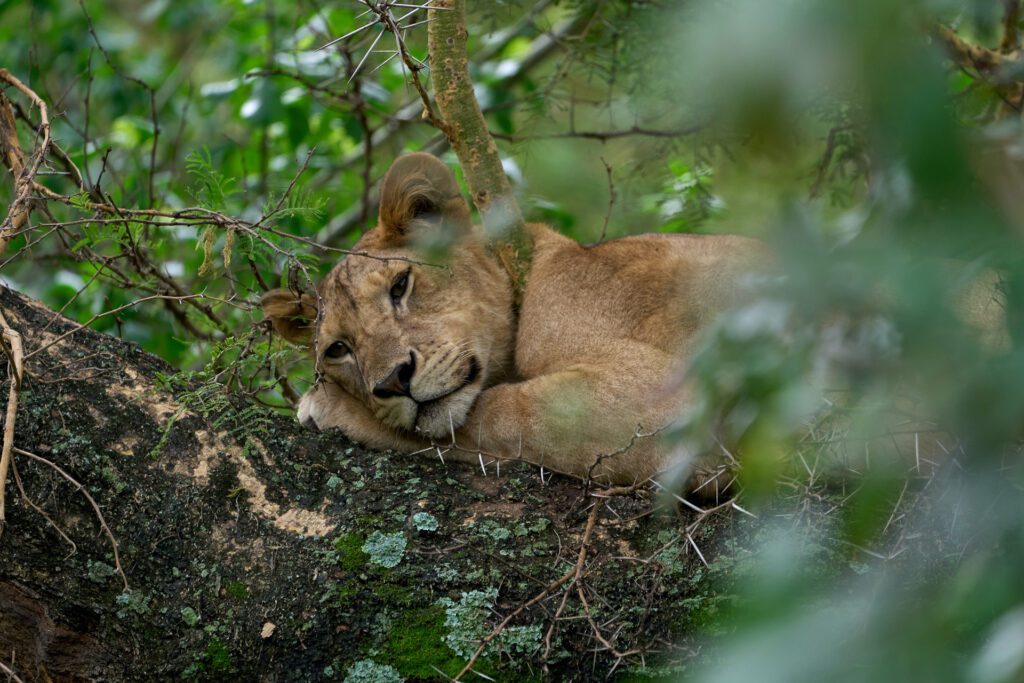





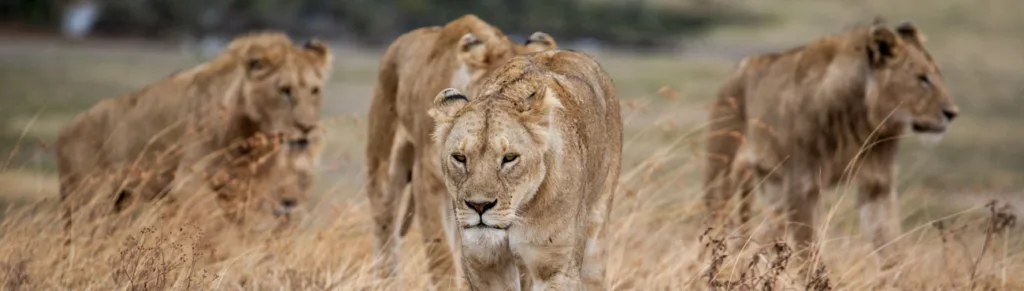
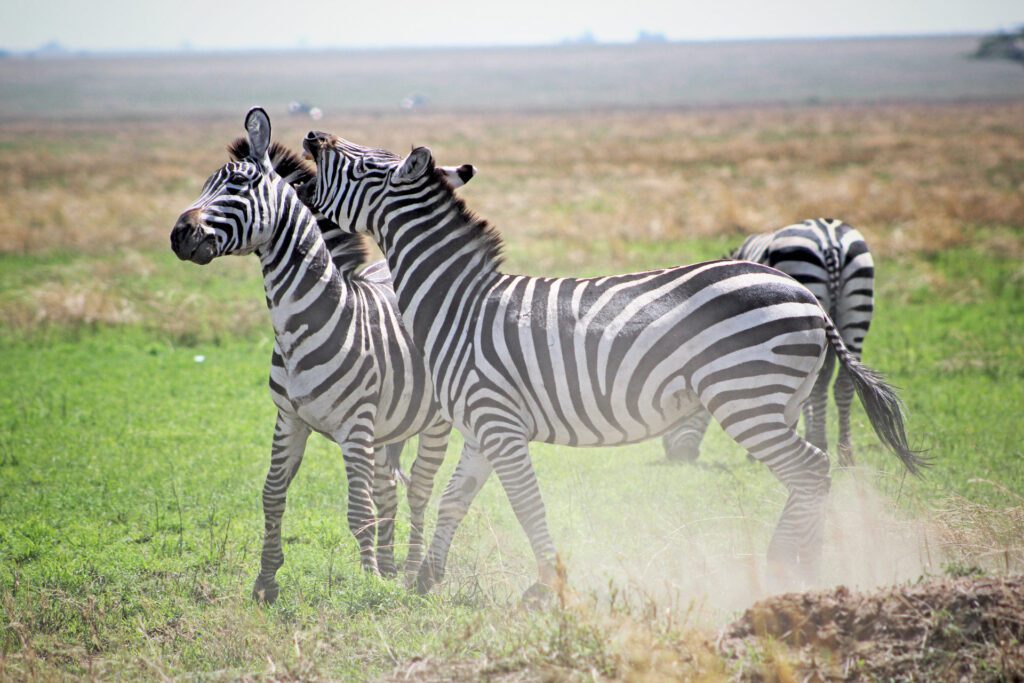








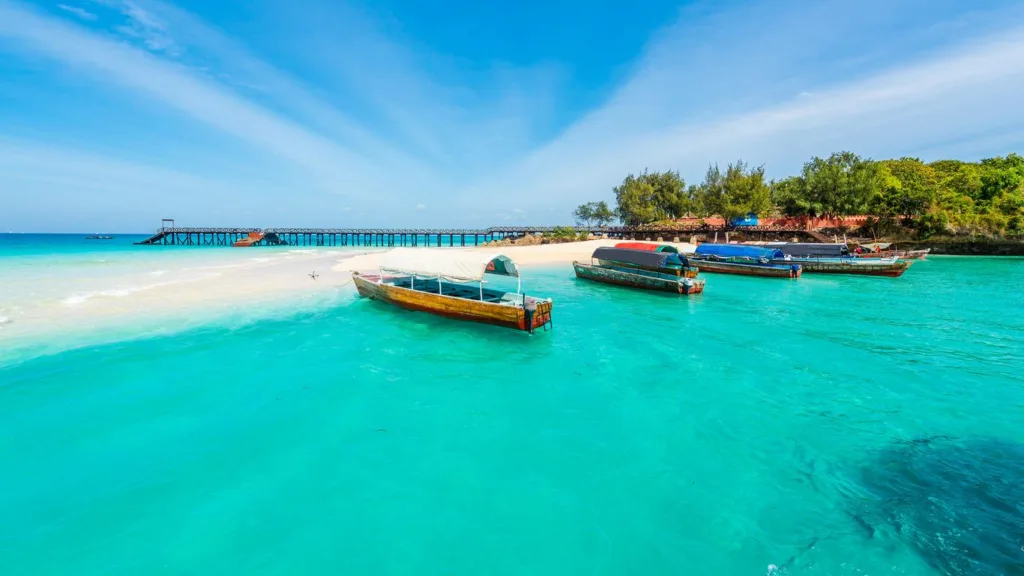

Here is everything you need to know about scuba diving in Tanzania!
Top East Africa’s Scuba Diving Destinations and Dive Sites in Tanzania
Zanzibar, Pemba and Mafia islands are the principal diving areas in Tanzania, blessed with spectacular reefs of coral and a wide variety of marine life. Here you can discover complete information on each destination, the dive centres located there and the conditions of the ocean.
East Africa’s Best Location for Scuba Diving -Zanzibar Indian Ocean
Zanzibar Island in the Indian Ocean is one of the best scuba diving destinations in Tanzania, worth exploring during Tanzanian scuba diving tours.
Zanzibar Island, also known as the spice island, is located on the northernmost tip of the archipelago in the Indian Ocean, making it the most popular, developed, and accessible diving hub in Tanzania.
Zanzibar’s diving experiences are highlighted by dive centres like
- Leven Island | Leven Bank
The submerged pinnacle known for its coral formations, Leven Island/Leven Bank, is also famous for having large pelagic species such as the Barracuda, tuna, Trevally, and Kingfish, often seen during the strong currents in the crystal-clear waters, which makes it a top spot for scuba diving experiences or underwater photography.
- Kichwani Reef
Kichwani reef is one of the most popular dive sites in Zanzibar’s Mnemba, with big corals that go as deep as 30 metres, made of hard and soft corals of different vibrant colors, and a variety of marine species such as large schools of colorful fish, moray eels, other reef life, etc.
- Mnemba Atoll
Oftentimes referred to as the tropical fish capital of East Africa, located off the northeastern coast of Zanzibar, Mnemba Atoll is renowned for its clear waters and diverse marine life, including dolphins, moray eels, tropical fish, and green turtles.
Zanzibar Diving Time and Diving Conditions
The best diving season for exploring the Zanzibar scuba diving sites is all year round, though the most ideal time is between November and March or September and October when the humpback and sperm whales can be easily seen, especially at Mnemba Atoll.
It is during these months that the diving conditions are perfect, i.e., water temperatures are around 28 to 29 degrees Celsius and the visibility for diving ranges from 20 to 30+ meters.
Mafia Island – A Tanzania Scuba Diving Hub
Mafia Island is one of the best locations where diving in Tanzania is done in East Africa.
Tanzania’s Mafia Island is known for its excellent diving opportunities, featuring healthy coral gardens and encounters with whale sharks and manta rays.
Mafia Island is popular for its resident population of whale sharks (200+), which can be seen year-round, with peak sightings occurring between October and February.
Mafia Island has over 28+ top dive sites, with some including
- Mafia Island Marine Park
Mafia Island is home to the largest marine park on Africa’s East coast, the Mafia Island Marine Park, featuring over 50 species of coral, underwater caves & walls, and more than 400 species of fish, making it a prime diving destination.
Some of the vibrant marine life to see at this marine park include green turtles, groupers, snappers, tuna, and many others.
- Wattabomi Reef
Wattabomi Reef is one of the easiest dive centres on Mafia Island, formed from different hard coral species and anemones, going as deep as 25 meters, with a rich diversity of marine life, including octopuses, sharks, etc.
- Kinasi Pass
The Kinasi Pass in Chole Bay is one of the top dive sites on Mafia Island, known for its interesting topography and rich marine life, such as potato groupers, turtles, barracudas, giant rays, etc.
- Dindini Wall
Dindini Wall, found outside Chole Bay, is another excellent dive site with small caverns, overhangs, and an archway that is home to sea fans, colorful corals, colorful reef fish, groupers, wrasse, rays, and other pelagic species.
Diving Time in Mafia Island and Diving Conditions
The optimal diving time for scuba diving on Mafia Island is from October to March, when the waters are warm and marine species are easily visible.
During these months, the diving conditions are also perfect with water temperatures averaging 24-30 degrees Celsius and excellent visibility at 4-30 m.
Scuba Diving – Pemba Island
Pemba Island is one of the best locations worth visiting for the best Tanzania scuba diving safari experiences.
Pemba Island, Tanzania’s northern island, is famed for dives with strong currents, but also for its exceptional clarity and extensive reefs of coral, making it a favourite for experienced divers.
Pemba Island is famous for its clean water and spectacular underwater walls. It attracts advanced divers who want to observe large pelagic species and stunning corals with large sea fans.
The island of Pemba offers dramatic vertical wall dives and intense drift currents at dive centers like
- Pemba Channel
This dive location on Pemba Island, the Pemba Channel, famous for its challenging drift dives and strong currents, has several nutrients that support the growth of colorful coral reefs and attract marine species like whale sharks, reef sharks, manta rays, etc., which makes it a favorite spot for experienced divers looking for underwater adventures.
- Misali Island -The Coral Island
This Pemba Island dive point (Misali Island), on the western side of the island, also considered a major marine conservation area, is famously known for beautiful coral gardens filled with big sea fans, turtles, colorful fish, reef sharks, etc., making it a good dive location.
- Big Wall
Big Wall is a good dive point on Pemba Island that has an underwater wall covered in colourful coral reefs where divers can easily spot barracudas, turtles, colourful reef fish, etc.
- Njao Gap
This dive point on Pemba Island has very steep walls, large gorgonian sea fan, and big overhangs, and is home to several marine life such as the giant trevally, napoleon wrasse, titan triggerfish, white tip sharks, etc.
- Mtangani
This dive point has very strong currents and offers stunning sightings of several marine species, such as the hammerheads.
- North Horn
This Pemba Island dive location is popularly known for having very rich pelagic life, such as the hammerhead sharks, silvertip sharks, white tip sharks, humphead parrotfish, trevally, potato cods, etc.
- Fundu Gap
The Fundi Gap is also a good dive location on the island of Pemba, known for its strong currents and advanced drift dives, perfect only for experienced divers who wish to spot larger marine creatures and pelagic species.
Diving Time and Dive Conditions on Pemba Island
The best time to go to Pemba Island for diving excursions is during the drier months of July to March, when there are short rain showers, water temperatures are around 20 degrees Celsius, and visibility is at 30-40 m, which is excellent for divers seeking to see whale sharks, humpback whales, manta rays, and more.
Mainland Coast – Dar es Salaam
The Mainland Coast (Dar es Salaam) is another of the best locations where scuba diving is done in Tanzania.
Scuba diving along the mainland coast (Dar es Salaam) is mainly done in marine reserves around the Bongoyo and Mbudya islands.
Some of the top dive sites include
- Bongoyo Island Marine Reserve
The Bongoyo Island Marine Reserve, close to Dar es Salaam, has rich marine life and is very accessible to divers. Some of the marine species seen by divers here include the colorful corals and fish species.
Lake Tanganyika
Lake Tanganyika is another of the best scuba diving destinations worth visiting during Tanzania scuba diving safaris.
Lake Tanganyika in Tanzania is a big lake that offers a unique diving experience. The lake has more than 400 types of fish. Of them, over 250 are endemic cichlid fish species that are unique to the lake. This makes it a unique freshwater diving destination.
Most of the diving safaris on Lake Tanganyika (the second-largest freshwater lake in the world) are offered from Lake Shore Lodge as a base from which travellers take a boat ride to the diving spots.
The ideal time for diving at Lake Tanganyika is during the dry months from May to September, when the diving lake conditions are good with warm temperatures of around 24-26 degrees Celsius and incredible visibility of 10-20 m.
Things To See When Diving in Tanzania (E.G., Marine Life and Coral Gardens)
Some of the major highlights often seen during scuba diving safari excursions in Tanzania include
- Marine Life
Tanzania features an immense variety of marine life, ranging from macro critters to massive pelagics like whale sharks, manta rays, and numerous reef fish, making it a popular diving destination.
Other marine species include moray eels, octopus, wrasse, green turtles, hawksbill turtles, barracuda, dolphins, clownfish, angelfish, butterfly fish, lionfish, parrotfish, trumpetfish, pufferfish, bannerfish, triggerfish, basslets, stingrays, surgeonfish, shrimp, white reef sharks, spiny lobster, and many others.
- Coral Gardens
Vibrant corals are one of the beautiful things to see when diving in Tanzania. These range from vibrant hard to soft corals that act as marine habitats for a diverse range of marine life.
Some of the marine species found in the corals include the Napoleon Wrasses, bluefin trevallies, reef sharks, hawksbill turtles, manta rays, colorful fish, seahorses, bottlenose dolphins, etc.
Scuba Diving Safety Guidelines
For a fun and safe diving experience, consider following these safety guidelines
- For safety purposes, always bring with you a surface marker buoy, and know how to use it.
- It is recommended to have a Nautilus Lifeline, a GPS device that could save your life if taken by currents.
- Always use a biodegradable reef-safe sunscreen to protect marine ecosystems while diving.
- Endeavor to carry your PADI/SSI certification for independent diving at advanced sites like Leven Bank in the Zanzibar archipelago.
- Dive at internationally recognized or PADI licensed centers with guaranteed standard equipment and emergency protocols
- Remember to pay all required marine conservation fees, especially at protected areas like Mafia Island Marine Park and Mnemba Atoll Marine Conservation Area.
- Respect the marine or ocean life; avoid touching or removing anything from the ocean.
- Ensure that you hydrate frequently before and in between scuba diving sessions
- Stay true to yourself and always tell your divemaster the truth about your experience.
- Attend all safety briefings and follow the guidelines issued by your divemaster
- Get travel insurance that covers scuba diving emergencies.
By following these guidelines, you will surely have a good safari experience.
Costs To Incur on Scuba Diving Tours in Tanzania
The average costs incurred by most scuba divers in Tanzania during scuba diving excursions at the dive centers range from USD 200 to 500 per person per day, with multi-day packages being cheaper.
World-Class Accommodation Near Scuba Dive Centers in Tanzania
The best accommodation options, ranging from budget to midrange to luxury resorts, are worth staying at during scuba diving tours in Tanzania and are located near the scuba dive centers.
They often provide airport transfers, e.g., from Julius Nyerere International Airport, Pemba Airport, or Abeid Amani Karume International Airport in Zanzibar.
Some of these include the Manta Resort, Turaco Nungwi Resort, Sunshine Marine Lodge, Basecamp Mafia Island Eco Resort, etc.
Tanzania’s Best Scuba Diving Season and Dive Conditions
The best diving season in Tanzania is from November through to March and April, coinciding with the dry season when water temperatures can reach up to 85°F (29°C). During this time, the waters are calmest, ocean conditions are perfect, and visibility is at its peak.
This diving season offers scuba divers perfect opportunities to see several marine species, such as the whale sharks, which are most commonly spotted in Tanzania between October and April, with peak sightings occurring in November and December.
Dive Conditions
The diving ocean conditions in Tanzania vary depending on the location, i.e., the Zanzibar archipelago, Pemba Island, and Mafia Island, so it’s best to check beforehand.
Diving Ocean conditions are generally excellent from July to March, with the best underwater visibility occurring from September to November.
It is worth noting that the optimal diving visibility in Tanzania is typically from September to November, making November a good month for scuba diving excursions.
Why Choose to Go Diving in Tanzania?
Most scuba divers choose to go to Tanzania for scuba diving because of the following reasons:
- Pristine Dive Points
Most Tanzanian dive points are completely pristine and untouched, with fewer crowds, which makes scuba diving unique there
- Beautiful Marine Types
Most travelers choose diving in Tanzania because of the wide variety of marine species in the different dive locations worth marvelling at, such as the colorful fish, 300+ coral reefs, and other large pelagic species.
- Easy Safari Combinations
The scuba diving safari experiences in Tanzania can be easily combined with other Tanzania safari tours, such as climbing Mount Kilimanjaro, wildlife safaris in the vast national parks like the Serengeti and Ngorongoro Conservation Area, etc., to see unique land-based wildlife sightings for a magical experience.
Traveling To Tanzania for Scuba Diving Safaris
Travelers seeking to partake in scuba diving tours in Tanzania can get to this country by flying into the Abeid Amani Karume International Airport in Zanzibar or the Julius Nyerere International Airport in Dar es Salaam and, on arrival, use road transport and boat rides to reach their dive points.
Best Local Dive Operators in Tanzania
The best local dive operators in Tanzania, offering the most fun scuba diving packages in Tanzania, include
- Prime Safaris and Tours Ltd
- Tanzania Safaris and Tours
- Wild Gorilla Safaris
- Africa Safaris Tours
- Kenya safari Tours
Tanzania Safari Packing List for Scuba Diving Excursions
For scuba divers visiting Tanzania on scuba diving excursions, we strongly recommend that you pack and carry the following essential items.
| Physical PADI/SSI C-card and dive logbook | Dive computer |
| Fitted Mask & Snorkel | Full wetsuit |
| Open-heeled fins with booties | Surface Marker |
| Dive Light | Rush guards and boardshorts |
| Swimsuits | Modest clothing for offshore explorations |
| Light warm layers for windy evenings | Reef-safe sunscreen |
| Sea sickness medications | Dive insurance |
| Waterproof gear for electronics | Money (US Dollars or Tanzanian Shillings) |
Commonly Asked Questions About Scuba Diving in Tanzania
1. Is Tanzania Good for Scuba Diving?
Yes, Tanzania is one of the best scuba diving spots in Africa because of the rich marine life, pristine reefs, gentle waters, etc.
2. Can Thyroid Patients Do Scuba Diving?
Yes, provided the disease has been correctly recognized, treated, and stabilized, then those with thyroid health issues can dive in Tanzania.
3. Can I Scuba Dive with Rheumatoid Arthritis?
Yes, you can go scuba diving with rheumatoid arthritis, but the arthritis needs to be well under control, and you need clearance from your doctor.
Don’t miss an aquatic adventure of a lifetime! Our Africa safari experts can help you organize a tailor-made Tanzania scuba diving tour & create the finest underwater adventures!