
NYERERE NATIONAL PARK TANZANIA
Title
Are you a thrill seeker starting to plan Nyerere National Park tours but unsure of what to expect? Discover the most fascinating information about Nyerere National Park in Tanzania in this blog.
Nyerere National Park, one of the popular Tanzanian national parks, was formerly the northern part of Tanzania’s Selous Game Reserve.
Today, Nyerere National Park is considered to be the largest national park in Tanzania and one of the largest wildlife reserves & parks in the world, spanning ~30,893 square kilometers.
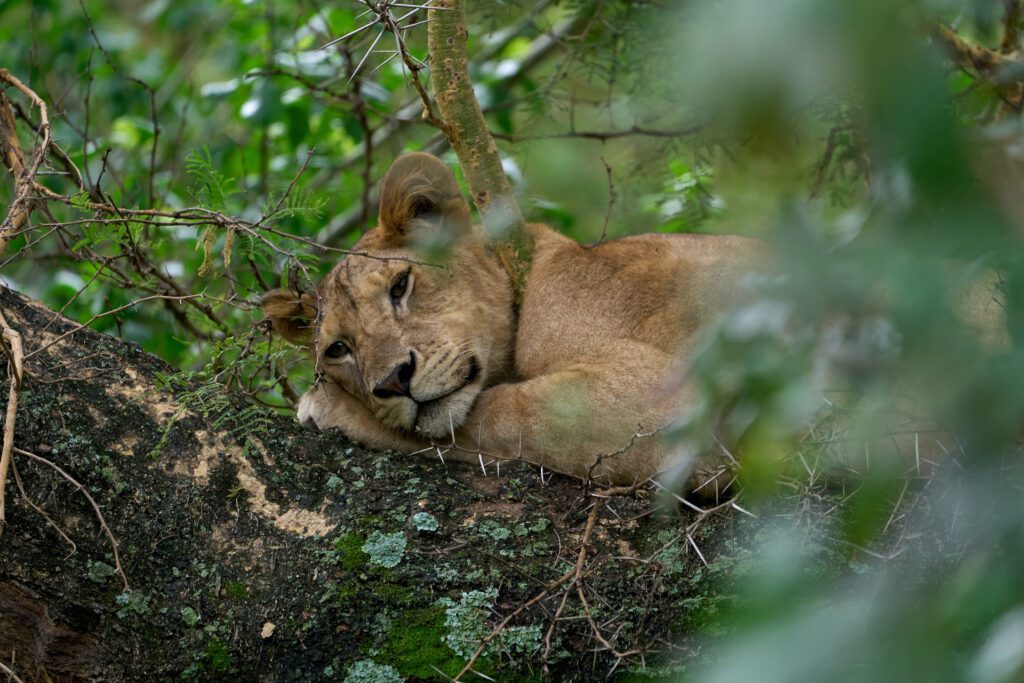
Tanzania’s Nyerere National Park (the largest national park in Africa) is famously known for its expansive and dramatic landscapes, the mighty Rufiji River, and high concentrations of wildlife species such as the Big Five (lions, buffalos, rhinos, elephants, leopards) and endangered African wild dogs seen during Tanzania wildlife safaris.
Whether you’re interested in enjoying unique 4×4 game drives, boat safaris, or fly-camping, visiting Nyerere National Park (the largest national park in Africa), especially during the dry seasons, offers most tourists some of the most memorable African safari experiences.
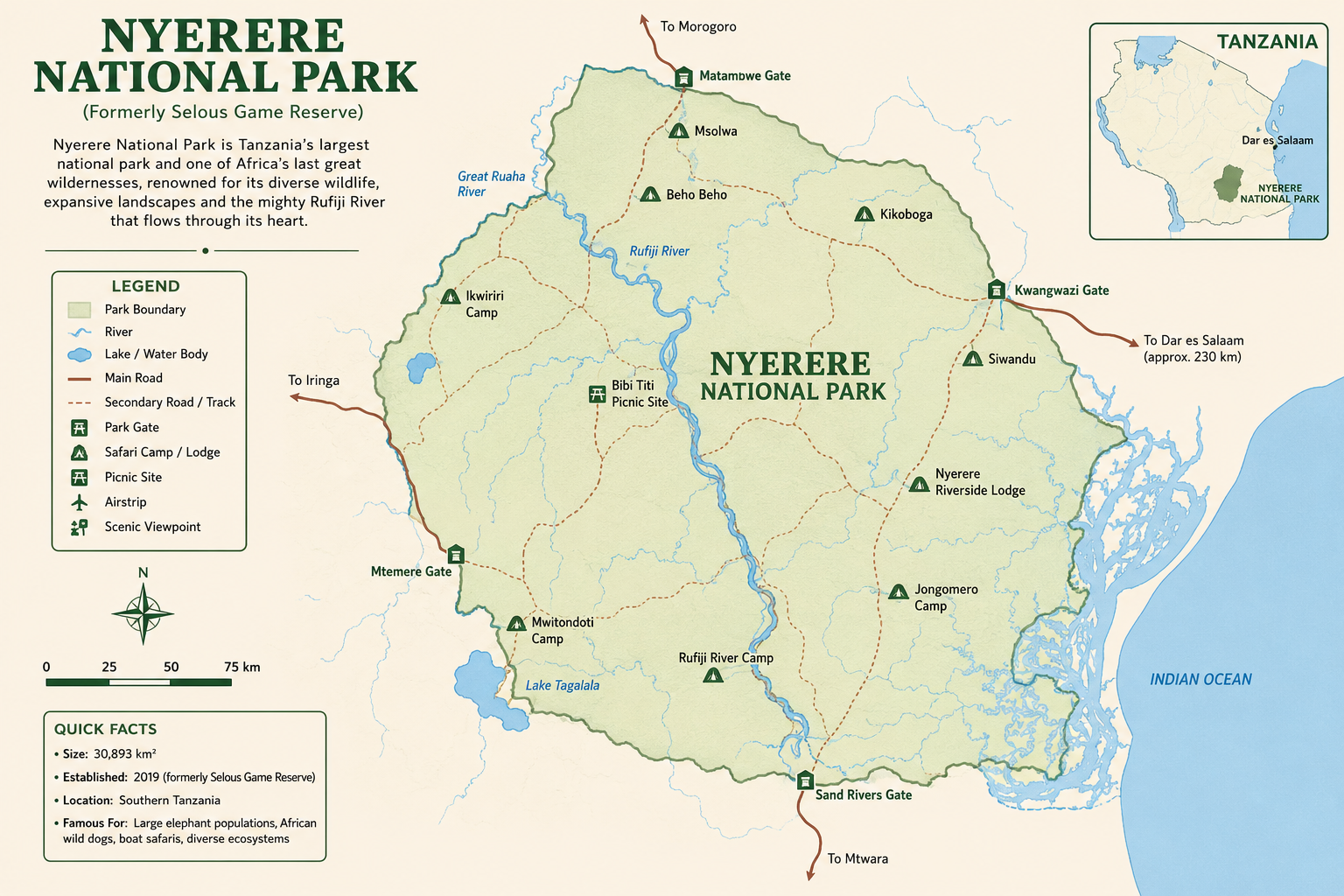
Nyerere National Park Map
Julius Nyerere (Legacy and Naming of Nyerere National Park)
Julius Nyerere (1922–1999), widely revered as the “Father of the Nation” (Baba wa Taifa) and affectionately called Mwalimu (“teacher”), was the founding president of Tanzania and the person after whom Nyerere National Park is named.
Key Takeaways About Nyerere National Park
- Nyerere National Park (Selous Game Reserve), established in 2019, covers an area of over 30,000 square kilometers, making it the largest national park in Africa.
- Tanzania’s Nyerere National Park features diverse habitats, including miombo woodlands and floodplains that support rare antelope species and other fauna like the lions, wild dogs, buffalos, etc.
- Nyerere National Park is home to a diverse range of wildlife, including significant populations of elephants, buffalo, lions, and the last stronghold for African wild dogs.
- Nyerere National Park (Selous Game Reserve) boasts over 440 recorded bird species in the park, including the African fish eagle and the rare Pel’s fishing owl.
- Tanzania’s Nyerere National Park is home to the Rufiji River, the largest river in Tanzania, which creates a network of oxbow lakes, lagoons, and swamps within the park and is considered a major attraction known for its picturesque scenery and healthy populations of hippos and crocodiles.
- Important Information worth knowing when starting to plan a Nyerere National Park safari, i.e., best time to visit (June to October), getting there, etc.
Here is a detailed overview about Nyerere National Park!
Nyerere National Park Size and Location in Tanzania
Nyerere National Park (Selous Game Reserve) covers ~30,893 square kilometers (almost the size of Belgium), making it one of the largest national parks in Africa.
Nyerere Park is located in the southeastern part of Tanzania, extending to the Liwale district (west), Morogoro region (southeast), Pwani region (southwest), and Ruvuma region (northeast), sitting ~35-1450 meters above sea level.
Nyerere National Park (Selous Game Reserve) is found just 230 kilometers from the capital city of Tanzania, Dar es Salaam.
Nyerere National Park History
Nyerere National Park in East Africa was formed from the larger Selous Game Reserve, which sprawled 54,600 square kilometers before Nyerere National Park was separated from it, and it was the world’s 11th largest national park & wildlife reserve.
Selous Game Reserve was a former wildlife hunting reserve that was declared so by the German governor of Tanganyika in 1896.
In 1922, the hunting reserve was named ‘Selous’ after Fredrick Selous, a big game hunter who had turned into a wildlife conservationist.
The government of Tanzania in 2019, in the abid to promote tourism in the Selous Game Reserve, broke off part of the northern part of the Selous Game Reserve and introduced a new Tanzania national park, which it named Nyerere National Park in commemoration of the late first president of Tanzania, Mwalimu Julius Nyerere.
Geography of Nyerere Park Tanzania East Africa
Nyerere National Park (Selous Game Reserve) is considered one of the most pristine wildernesses in the world and in the country of East Africa.
Unlike other Tanzania national parks in East Africa often visited by travelers on Tanzania safaris, such as Tarangire, Lake Manyara, Ngorongoro, and Serengeti National Parks, Nyerere National Park receives very few visitors in a year, leaving its landscape untamed.
Nyerere National Park (Selous Game Reserve) has the mighty Rufiji River (the largest river in Tanzania and lifeline of the park) running through its park boundaries to the Indian Ocean, forming also the Stiegler’s Gorge (100m) in the park.
The great Rufiji River in Nyerere National Park is home to a large number of aquatic fauna, including large populations of hippos and Nile crocodiles.
The general geographical terrain in Nyerere National Park comprises open savannah, dense forests, thick miombo woodlands, etc., that host some of the most fascinating wildlife species in this Park.
Nyerere National Park (Selous Game Reserve) also has several water scapes, including seasonal floodplains and oxbow lakes, especially in its northern sector, that act as watering holes for animals during the dry spells.
Weather And Climate of Tanzania’s Nyerere National Park
Nyerere National Park in Tanzania experiences two seasons, i.e., the dry season (June to October) and the wet season (November to May), with temperatures in Nyerere National Park averaging 29°C (max) and 21°C (min).
Nyerere National Park receives about 750mm of rainfall annually on the eastern side of the park and up to 1250mm on the western side of the park.
Nyerere National Park Management
Nyerere National Park, named in Honor of the late Mwalimu Julius Nyerere (Tanzania’s founding father of the nation), was officially established in 2019 and to date it is managed by the Tanzanian government and TANAPA (Tanzania National Parks Authority), which aims to develop this wildlife park further to achieve better sustainable tourism levels.
Stunning Tourist Attractions in Nyerere National Park to See on Tanzania Safaris
Some of the fascinating highlights and attractions in Nyerere National Park (Selous Game Reserve) in East Africa include
Great Rufiji River of Nyerere National Park
The great Rufiji River is one of the highlights in Nyerere National Park (Selous Game Reserve).
Running through the Nyerere NP, the Rufiji River is Tanzania’s largest river, which is home to a diverse range of aquatic life, including Nile crocodiles and huge hippos, and offers unique boat safaris and river cruises.
Nyerere National Park Wild Animals
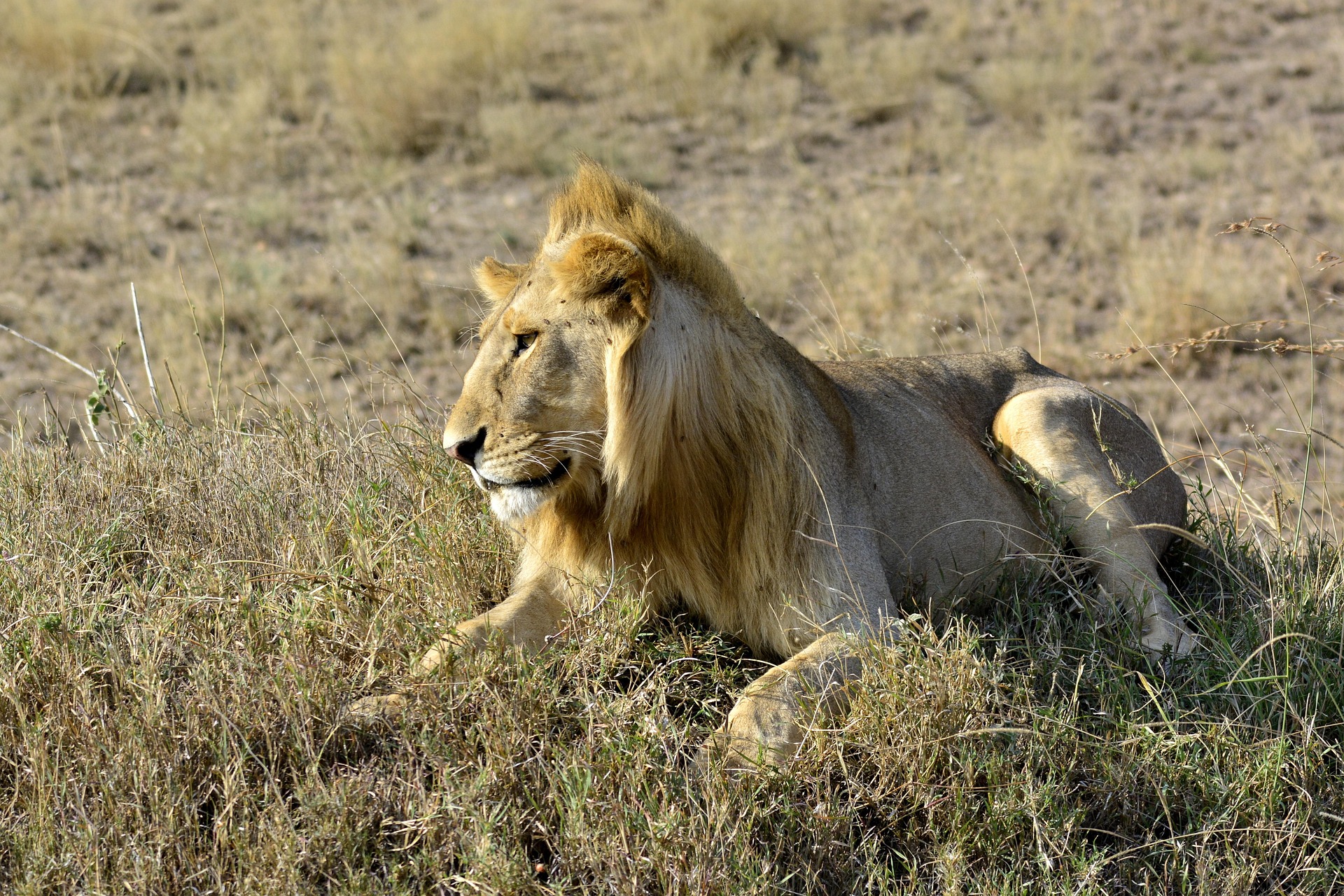
Tanzania’s Nyerere National Park is home to diverse wildlife species, including small and huge mammals.
Some of the notable wild animals in Nyerere National Park (Selous Game Reserve) include.
- The Big Five, i.e., leopards, lions (3,000+), African buffaloes, black rhinos, and the largest concentration of elephants in Africa (half of Tanzania’s elephants)
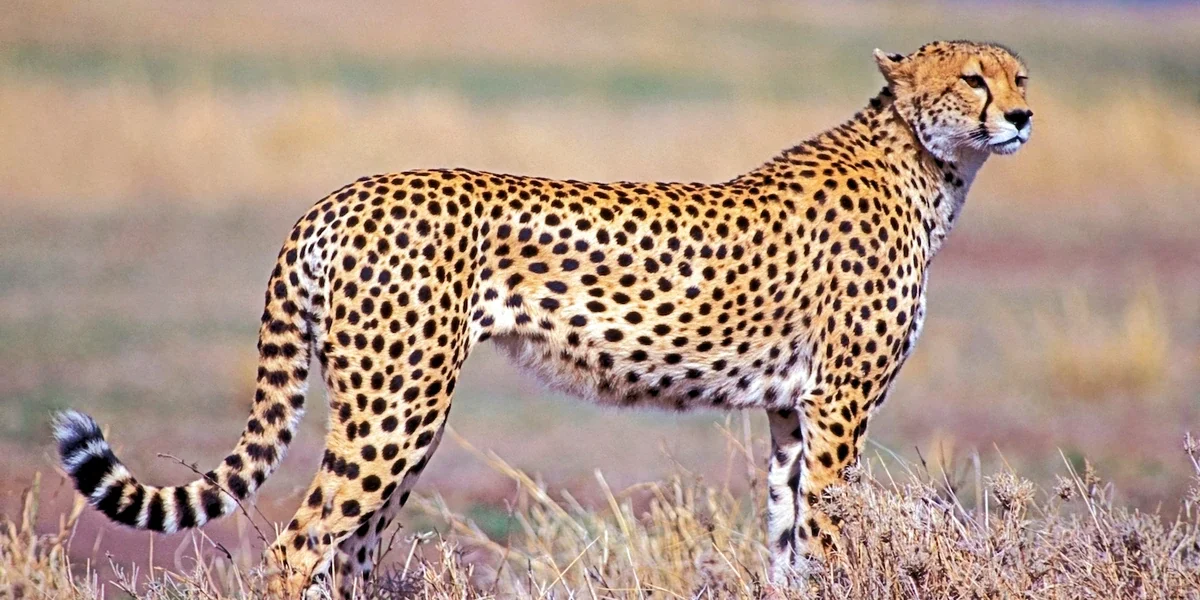
- Cheetahs
- Giraffes
- Hippos (~40,000+)
- Plains Zebras
- Wildebeests
- Waterbucks
- Spotted hyenas
- African wild dogs (~1,300+)
- bushbucks
- Vervet monkeys
- Common elands
- Coke’s Hartebeest
- Nile Crocodiles in the river
Bird Species in Nyerere National Park
Nyerere National Park (the largest national park in Africa) is home to close to 450+ bird species often seen during Tanzania birding tours, and some of the notable species include
- Pel’s fishing owl
- African skimmer
- Mangrove Fischer
- Bee eaters
- African Darter
- African Grey Hornbill
- Kori Bustard
- Lappet-faced vulture
- Lilac-breasted roller
- Hadada ibis
- Hamerkop
- Grey kestrel
- African fish eagle, etc.
Unique Flora in Nyerere National Park
Nyerere National Park (the largest national park in Africa) is home to several flora species that are a major attraction seen by tourists who visit this park.
Nyerere National Park (formerly Selous Game Reserve) is home to the biggest mangrove forests on planet earth, found at its delta.
Other unique flora in the park include the vast savannah grasslands, thick miombo woodlands, and dense forests that are home to a unique number of fauna.
Adventurous Tanzania Safari Activities Done in Nyerere National Park
Tourists exploring Nyerere National Park have several safari activities to partake in, by visitors seeking to see unique predator-prey relationships and other thrilling safari experiences, and some of these include the following.
- Wildlife Viewing in Nyerere National Park
Wildlife viewing is one of the most famous activities done by visitors on Nyerere Park safaris.
Visitors get to see a diverse range of fauna, including the African wild dogs, lions, hippos, elephants, buffaloes, other big cats, etc., as well as unique predator-prey relationships.
- 4×4 Game drives in Nyerere National Park
4×4 safari game drives are another of the famous activities done by visitors on Nyerere Park safaris.
These game drives are often done early in the morning, late in the afternoon, and at night to see unique predator-prey relationships among the diverse range of day and nocturnal animals such as hippos, lions, buffaloes, numerous species of birds, African wild dogs, etc.
- Boat rides on the Rufiji River in Nyerere National Park
Boat rides or river cruises on the Rufiji River are some of the famous activities done by visitors on Nyerere Park safaris.
These often take around 2-3 hours, and visitors get to see unique predator-prey relationships and the aquatic life in the river, such as the hippos, fish species, crocodiles, and other wildlife drinking water like the buffalo, elephants, etc.
- Cultural Tours in Nyerere National Park
Cultural tours are one of the best activities done by visitors on Nyerere Park safaris in the country in Eastern Africa.
Visitors who choose these cultural experiences get to explore local communities and learn about the traditions and ways of life of the nomadic people in East Africa.
- Hot Air Balloon Rides in Nyerere National Park
Hot air Balloon Rides are another of the fun activities done by visitors on Nyerere Park safaris in East Africa.
Visitors on these hot air balloon rides, often done early in the morning at dawn, offer a unique perspective and aerial view of Nyerere National Park with unique sightings of a diverse range of fauna below, such as packs of African wild dogs, prides of lions, buffalo, etc.
- Bush Dining in Nyerere National Park
Bush dining is another of the fun activities done by visitors on Nyerere Park safaris in the country.
In East Africa, Nyerere NP has some of the best bush dining experiences at several camps, where visitors enjoy bush breakfasts, picnics, and sundowners or candlelit dinners in the untamed wilderness.
- Guided Walking Safaris in Nyerere National Park
Guided walking safaris in Nyerere National Park are another of the famous activities done by visitors on Nyerere Park safaris in East Africa.
Walking safaris in Nyerere National Park, led by armed rangers, can last from a few hours to several days, often including overnight stays in rustic fly camps like at Sand Rivers.
Visitors on these walking safaris have plenty of chances to see a diverse range of wildlife species, such as lions, wild dogs, buffalos, etc.
- Fly Camping in Nyerere National Park
Fly camping is another of the famous activities done by visitors on Nyerere Park safaris in East Africa.
The fly camping safaris are often organized by prominent lodges and camps like Sand Rivers Camp for 1 or 2 nights and they involve staying in tents under the stars or campsites with simple mosquito nets and bucket showers with opportunities to see fauna like the wild dogs and lions.
Rules And Regulations for Exploring Nyerere National Park
Tourists visiting Nyerere National Park (the largest national park in Africa) are strongly encouraged to follow the TANAPA park rules and regulations for this park, including
- Park gates open at 6:00 am and close at 6:00 pm
- Walking safaris are only done with the leadership of an armed guide on designated trails.
- Life jackets are a must-have for those partaking in boat safaris on the Rufiji River
- Follow the given speed limit in the park strictly
- No littering policy must be followed in the park
- Maintain safe distances from the park wildlife
- No feeding wild animals
- Keep voices low while in the park, etc.
World-Class Nyerere National Park Lodges, Camps and Hotels—Safari Accommodation
Tourists exploring Nyerere National Park (the largest national park in Africa) have plenty of accommodation options to choose from, ranging from budget to midrange to luxury camps and lodges, such as
| BUDGET ACCOMMODATION OPTIONS | MID-RANGE ACCOMMODATION OPTIONS | LUXURY ACCOMMODATION OPTIONS |
| Ol Moran Camp
Selous Kulinda Camp Sable Mountain Lodge
|
Selous River Camp
Rufiji River Camp Serena Mivumo River Lodge Selous Serena Camp Lake Manze Camp Selous Impala Camp
|
The Retreat Selous
Beho Beho Camp Kiba Point Selous Sand Rivers Selous Siwandu Camp Roho ya Selous |
Liaise with your travel agent to book and reserve your stay at any of these Nyerere National Park properties in advance, especially during the peak season, to avoid missing out!
Average Safari Prices to Incur When Exploring Nyerere National Park
The costs to incur on a Nyerere National Park trip include
| Description | Costs in USD |
| Park Entry Fees (depends on nationality) | 50 (adults), 30 (children) per person |
| Accommodation (depending on tier, e.g., Sand Rivers among other camps) | 50-550 per night per person |
| Transport | 50-300 per day |
Some of the factors that determine the average costs to incur on a Nyerere National Park tour include accommodation (lodges and camps), travel style, visas, seasons, flights, group size, trip duration, extra meals & beverages, mode of transport, etc.
Best Time to Visit Nyerere National Park in Tanzania East Africa
The best time to visit Nyerere National Park in the United Republic of Tanzania is during the dry seasons, which fall in July to October and December to February, when the vegetation is thinner and Nyerere Park wildlife is easier to see as it concentrates around lakes and rivers, offering great game viewing opportunities for the Big Five, wild dogs, and other animals.
Travelers are strongly advised to avoid visiting during the long wet season from April to May though it brings lush scenery, supports world-class birding and calving with fewer crowds and lower prices on lodges/camps and packages.
Getting To Nyerere National Park Tanzania (eg From Dar es Salaam)
Travelers on Nyerere National Park tours can get to this safari park located just 230 kilometres from Dar es Salaam by road or by air.
1) By Air: Take a 1 hour fight from Julius Nyerere International Airport in Dar es Salaam to the different airstrips in and close to the Nyerere National Park, like Kiba, Matambwe, Beho Beho, Siwandu, Sumbazi, and Mtemere, followed by a short transfer to the park offices or camps.
2) By Road: Use 4×4 safari vehicles to transfer from Dar es Salaam to Nyerere National Park on a tarred road along A104, B3 & C12 highways to the park gates, i.e., Matemere (5.5 hr drive) or Matembwe (~7 hour drive) or camps.
Tanzania Safari Packing List for Nyerere National Park Tours
Travelers visiting Nyerere National Park (the largest national park in Africa) during Tanzania safaris are strongly encouraged to bring essentials like warm clothing, travel documents, sturdy walking shoes, sunscreen, insect repellent, binoculars, cameras, etc. READ MORE!
Serious Threats Facing Nyerere National Park (Africa’s Largest National Park)
In the mid 1970’s, Selous Game Reserve (now Nyerere National Park) faced serious poaching, which reduced the numbers of most wildlife species, especially those of the elephants and rhinos from about 66% (2000-2013) to small numbers, i.e., from 100,000 elephants to 13,000 elephants.
Other major threats in the Nyerere National Park include climate change effects, human-wildlife conflicts, habitat loss, infrastructure projects, etc.
Ongoing Conservation Initiatives in Nyerere National Park
TANAPA, together with the Tanzanian government, gazetted Selous Game Reserve and gave it national park status (Nyerere National Park) in order to help and control poaching.
Additionally, the park serves as a UNESCO World Heritage Site and is managed to maintain its wild and unspoiled status.
Other conservation initiatives in Nyerere National Park include anti-poaching patrols, local community engagements with camps, eco-friendly activities like fly camping, active habitat monitoring initiatives, etc.
Other Tanzanian National Parks and Destinations to Combine with Nyerere National Park (eg Indian Ocean Islands, etc.)
- Ruaha National Park
- Mikumi National Park
- Saadani National Park
- Lake Tanganyika (the world’s second deepest lake)
- Katavi National Park
- Mahale Mountains National Park close to Lake Tanganyika
- Mount Kilimanjaro (Africa’s highest mountain)
- Zanzibar Indian Ocean
- Mafia Island in the Indian Ocean
Top Africa Safari Companies Offering the Best Nyerere National Park Tour Packages
Some of the top-rated Tanzania safari companies offering the best Nyerere National Park tour packages suitable for all budgets include
- Prime Safaris and Tours Ltd
- Tanzania Safaris and Tours
- Wild Gorilla Safaris
- Africa Safaris Tours
- Kenya safari Tours
- National Parks in Tanzania
Contact any of these travel agencies for the best-tailored Nyerere National Park trips with transport, camps, and all trip arrangements catered for in one single quote!
Nyerere National Park FAQs
-
Is Nyerere National Park Worth Visiting?
Yes, Nyerere National Park, also formerly called the Selous Game Reserve, is worth visiting because it offers a premier, less crowded safari experience compared to the one in northern Tanzania parks.
-
What Are the Big 5 In Nyerere National Park?
The Big Five animals in Nyerere National Park, Africa’s largest national park, are the lion, leopard, elephant, cape buffalo, and black rhino.
-
Is Nyerere or Mikumi Better?
Nyerere National Park, or the former Selous Game Reserve (the largest national park in Africa), is generally known for being better than Mikumi National Park because it offers a more private and exclusive wildlife safari experience with diverse wildlife species, such as the African wild dogs, and fun activities like boat safaris, while Mikumi National Park offers budget and accessible trips on the African continent.
-
What Is Unique About Nyerere National Park?
Nyerere National Park is considered unique because it is one of Africa’s largest national parks, formed from Selous Game Reserve, known for its boat safaris along the Rufiji River and fun walking trips in an untamed wilderness.
-
What Is the Philosophy of Nyerere?
The philosophy of Julius Kambarage Nyerere was centered around Education for self-reliance and familyhood or brotherhood, which means Ujamaa in Swahili.
-
Why Did Julius Nyerere Step Down?
The main reason why Julius Kambarage Nyerere stepped down on his own as President of Tanzania was to allow new leadership to rule and to set a good example for peaceful presidential leadership transitions.
-
What Does the Name Nyerere Mean?
The name ‘Nyerere’, which comes from the Zanaki language of Tanzania, actually means ‘ Caterpillar’, which were a big plague during the birth of Julius Kambarage Nyerere.
Inquire from us today about your Nyerere National Park safari plans, and we will tailor the best package and itinerary for you!
Related Tanzania Safari Destinations


This is custom heading element
Book our Safaris with Confidence Whether you’re a seasoned adventurer or embarking on your first safari, this essential resource equips you with the knowledge and tools to plan and book your dream wildlife expedition with the absolute assurance
we provide expert advice, insider tips, and practical recommendations to ensure a seamless and unforgettable safari experience. Unleash your wanderlust and dive into the captivating world of safari travel, knowing that you have all the tools to embark on your journey with confidence.”
We’re here to assist you with your needs. If you have any questions about our packages or services, feel free to reach out to us

Chat to an African Safari Expert
Speak to East African tour expert for safari advice and suggestions